Explore Prayagraj
Places to Visit in Prayagraj
Top attractions and must-see spots in Prayagraj
Landmarks
19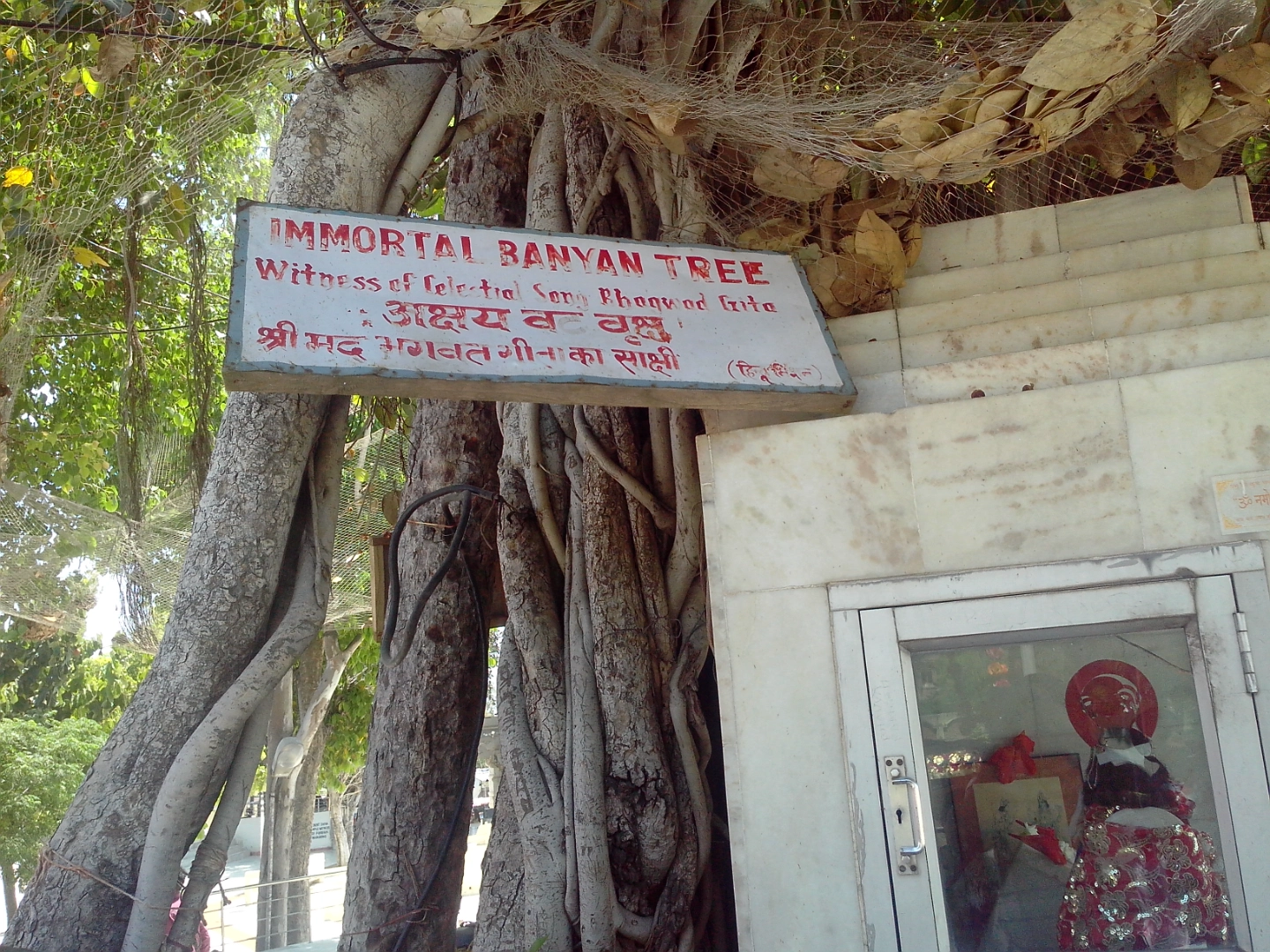
Akshayavat
The immortal sacred banyan tree inside Allahabad Fort, believed to have survived every cosmic dissolution and mentioned in the Puranas.
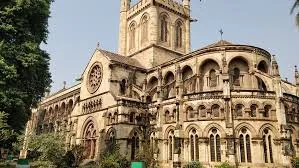
All Saints Cathedral
Known locally as Patthar Girja (Church of Stones), All Saints Cathedral in Civil Lines is one of the finest Gothic Revival churches in Asia. Designed by Sir William Emerson, the architect behind Kolkata Victoria Memorial, its foundation stone was laid in 1871 and the cathedral was consecrated in 1887. Standing 31 metres tall with soaring spires, pointed arches, ribbed vaults, and stained glass windows, the 240-foot-long sandstone structure is a landmark of colonial Prayagraj and draws visitors year-round.
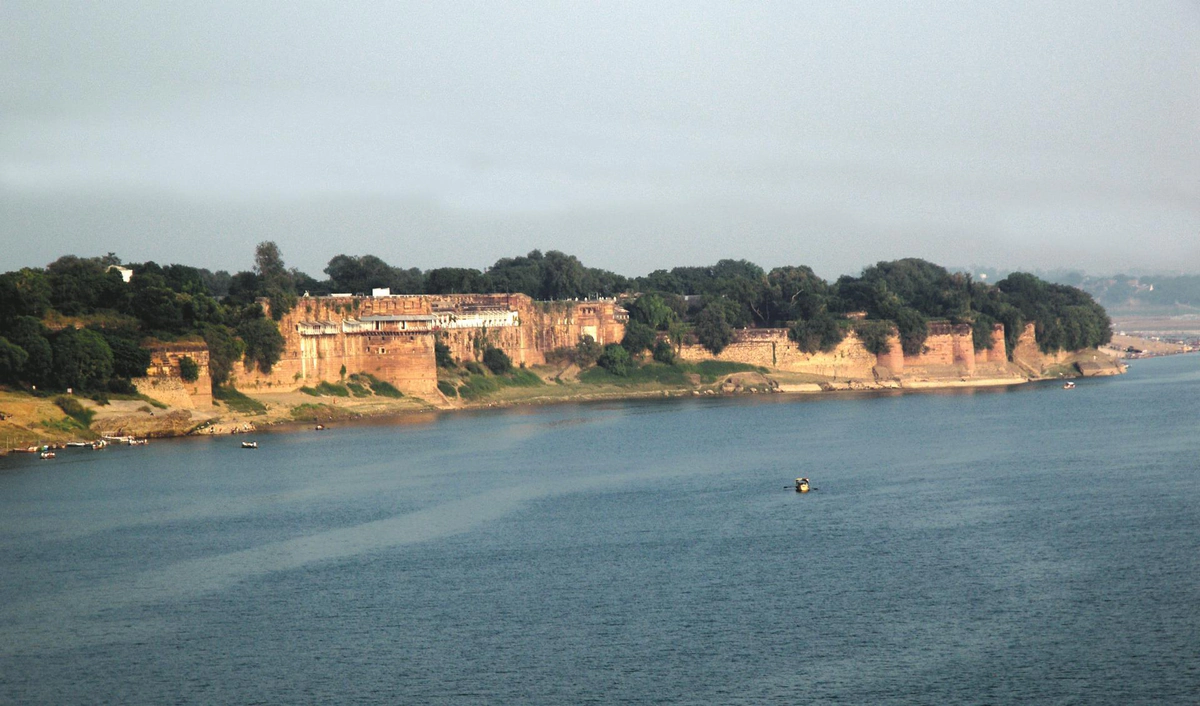
Allahabad Fort
A massive Mughal fort built by Akbar in 1583 at the Ganga-Yamuna confluence, housing the Ashoka Pillar and ancient subterranean temples.
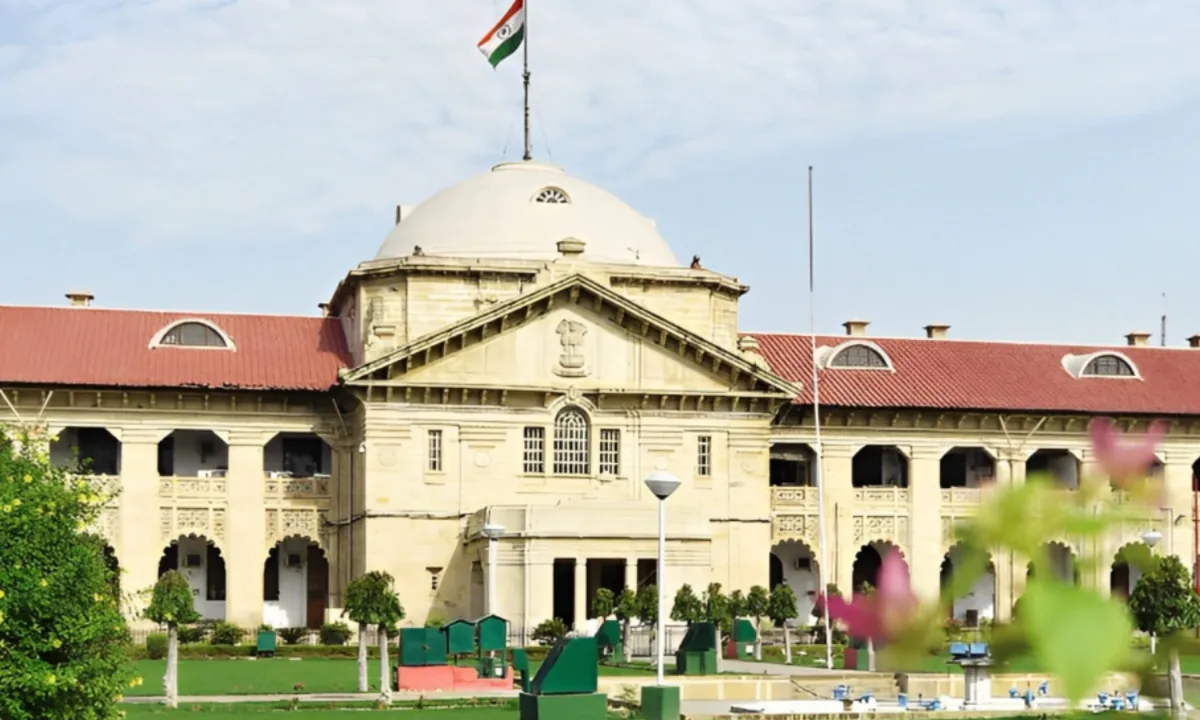
Allahabad High Court
Established in 1866 and shifted to its present building in 1916, the Allahabad High Court is one of India oldest and largest high courts. Its imposing facade blends Indo-Saracenic and Victorian Gothic styles, with red sandstone arched corridors, chhatri turrets, and domed roofs reflecting the grandeur of colonial-era design. A legal institution that has delivered landmark judgments shaping Indian democracy, it draws architecture enthusiasts and legal history buffs alongside its thousands of daily visitors.
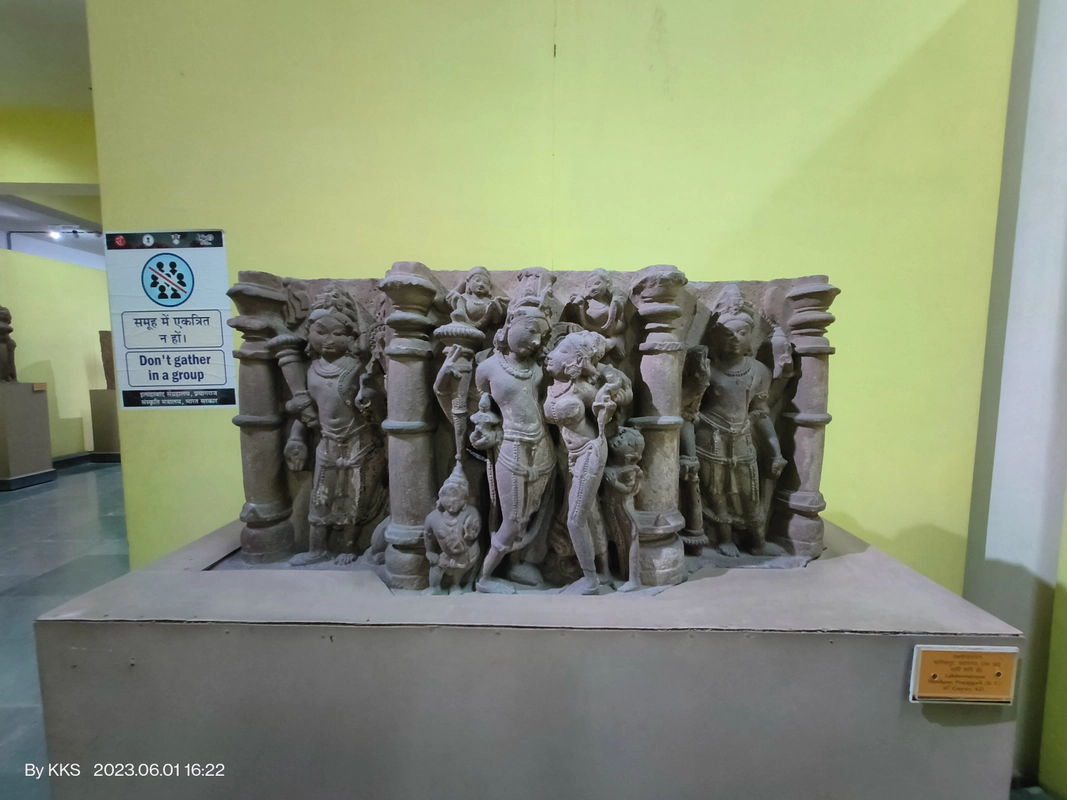
Allahabad Museum
One of India's finest regional museums in Prayagraj, housing sculptures, Roerich paintings, and Nehru family memorabilia spanning 2,500 years of history.
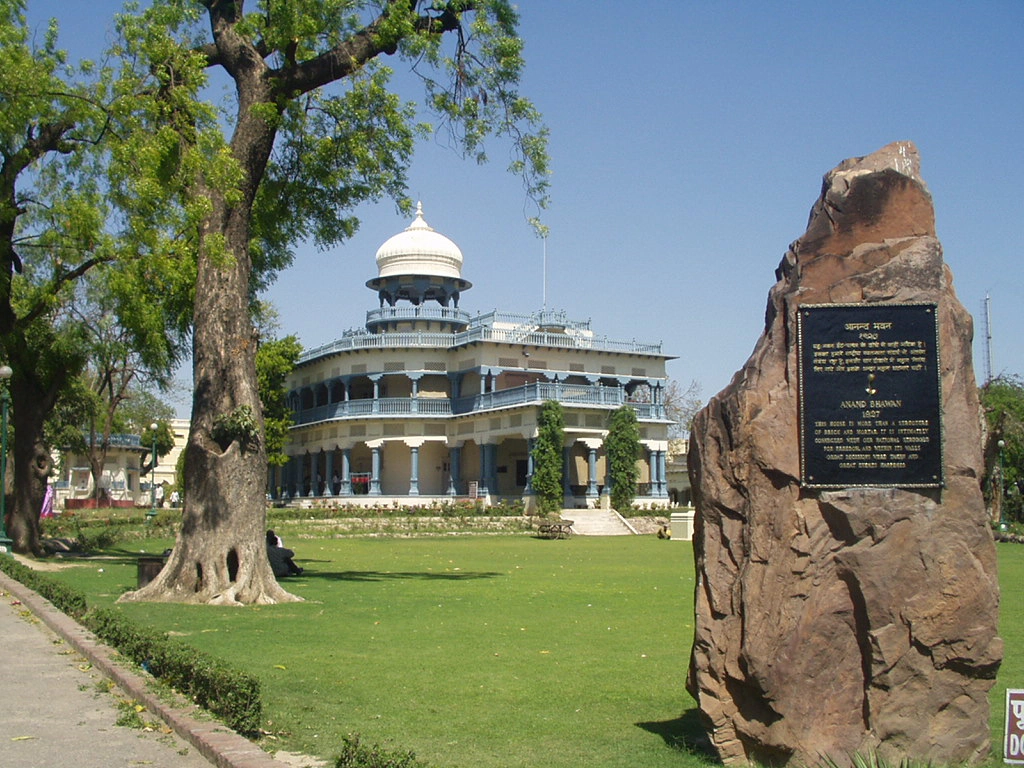
Anand Bhavan
The ancestral Nehru family home in Prayagraj, now a museum preserving artefacts and memories from India's freedom movement.
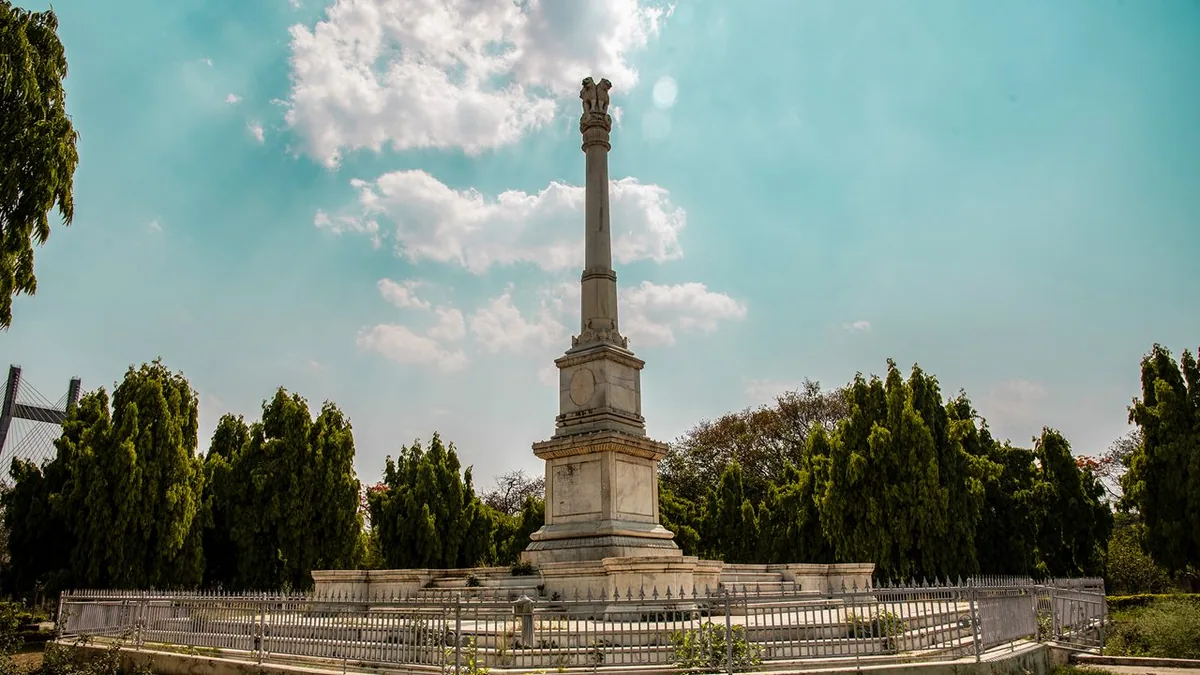
Ashoka Pillar
A polished sandstone column standing 10.6 metres tall inside Allahabad Fort, the Ashoka Pillar is one of India most remarkable ancient monuments. Originally erected by Emperor Ashoka in the 3rd century BCE at Kaushambi, it bears six edicts in Brahmi script alongside later inscriptions by Gupta emperor Samudragupta and Mughal emperor Jahangir, making it a rare layered record across three dynasties. Access requires prior permission from the fort army administration.
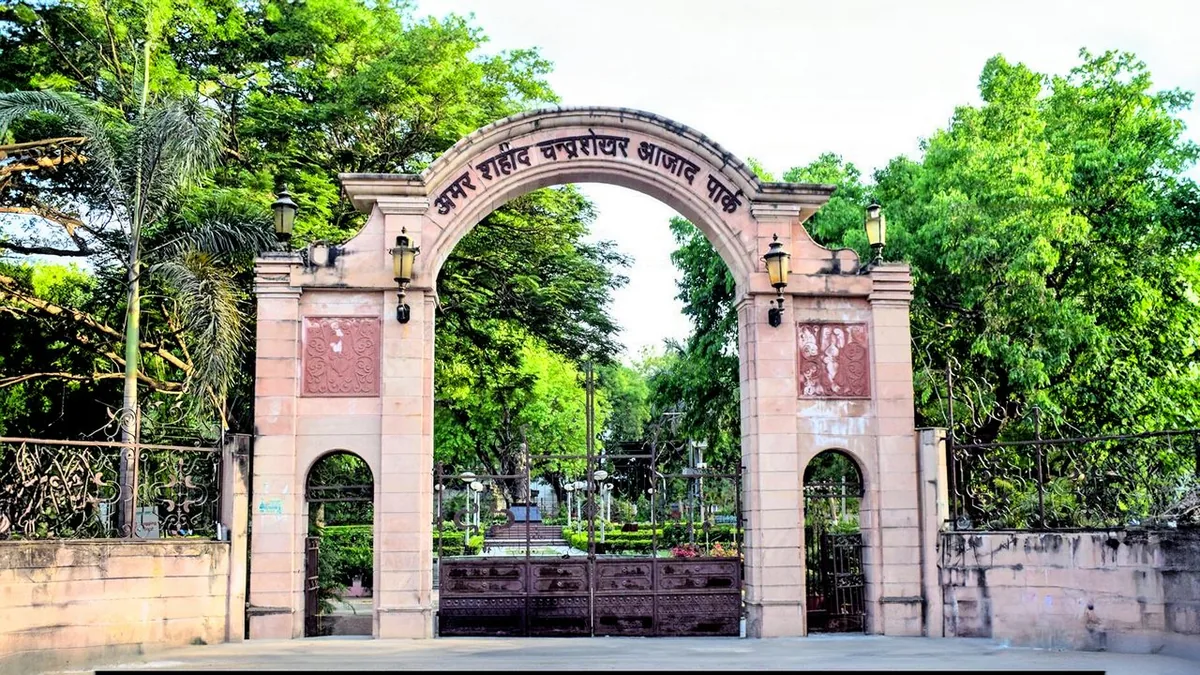
Chandra Shekhar Azad Memorial
Within the 133-acre Alfred Park in Civil Lines stands the memorial marking the exact spot where revolutionary freedom fighter Chandra Shekhar Azad made his final stand on 27 February 1931. Surrounded by British police and refusing to be captured alive, he fired his last bullet at himself aged just 24. A large bronze statue of Azad now stands at the site, and the park was renamed in his honour after independence. The memorial is a deeply moving tribute to his fearless resolve.
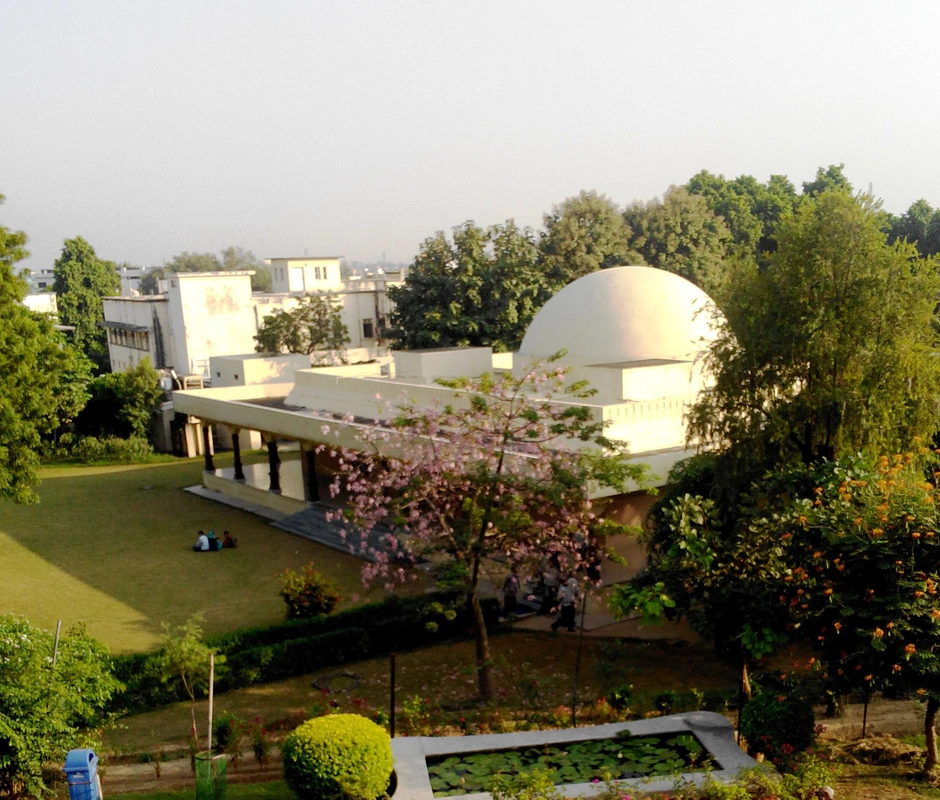
Jawahar Planetarium
A science planetarium within Prayagraj's Anand Bhavan complex offering astronomy dome shows and science exhibitions in the Nehru family legacy grounds.
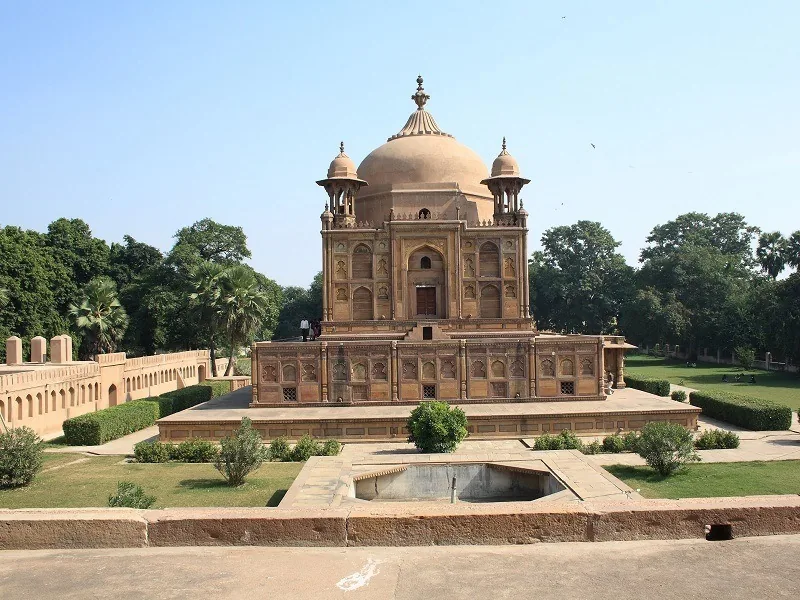
Khusro Bagh
A walled Mughal garden complex near Allahabad Junction, Khusro Bagh houses three magnificent 17th-century red sandstone mausoleums in a classic charbagh layout. The tombs belong to Shah Begum, her son Prince Khusrau Mirza (the rebellious eldest son of Emperor Jahangir), and his sister Nithar Begum. Designed partly by Jahangir court artist Aqa Reza, the complex features intricate frescoes, carved lattice screens, and arabesques that rank among the finest Mughal funerary architecture in North India.
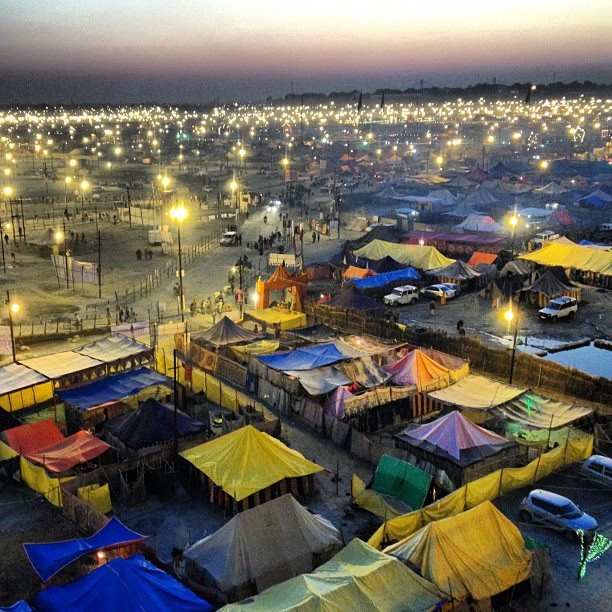
Kumbh Mela Grounds
The vast floodplain at Prayagraj's Triveni Sangam where the world's largest human gathering — the Kumbh Mela — takes place, drawing hundreds of millions of pilgrims.
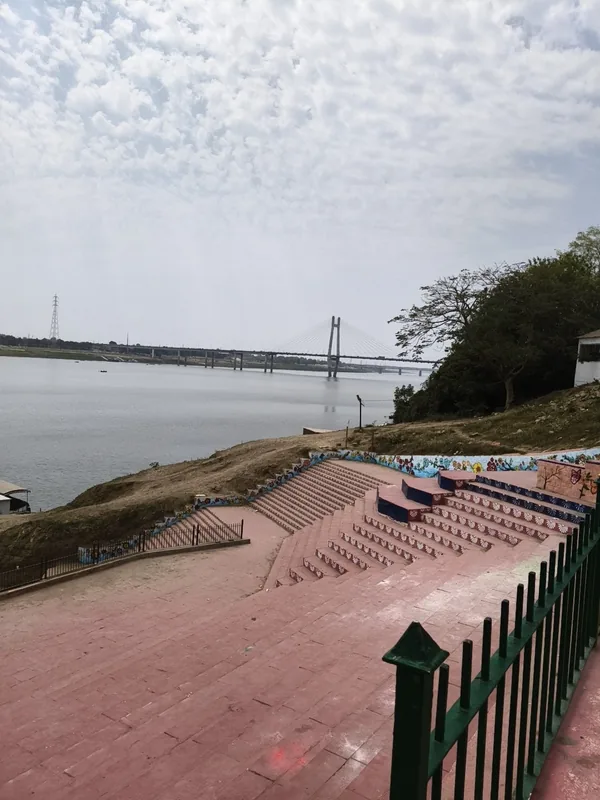
Mankameshwar Ghat
The riverside ghat directly adjoining the Mankameshwar Temple on the western bank of the Yamuna, Mankameshwar Ghat is a serene and relatively uncrowded spot for bathing and quiet reflection. A flight of stone steps from the temple leads down to the river, offering calm views of the Yamuna along with proximity to Saraswati Ghat and Minto Park. During the Shravan month, Kanwariyas arrive here to pour Ganga water over the Shivlinga, making the ghat particularly vibrant on Mondays.
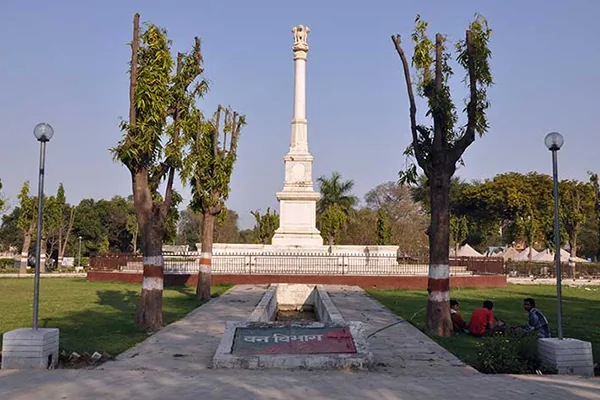
Minto Park
A lush riverside park on the Yamuna bank, Minto Park is officially renamed Madan Mohan Malaviya Park after the renowned educationist and freedom fighter. It holds a key place in colonial history as the site where Governor-General Earl Canning read out Queen Victoria Proclamation on 1 November 1858, marking the formal transfer of India from the East India Company to the British Crown. A Proclamation Pillar erected in 1908 stands at its centre, now topped with the Ashokan Lion Capital.
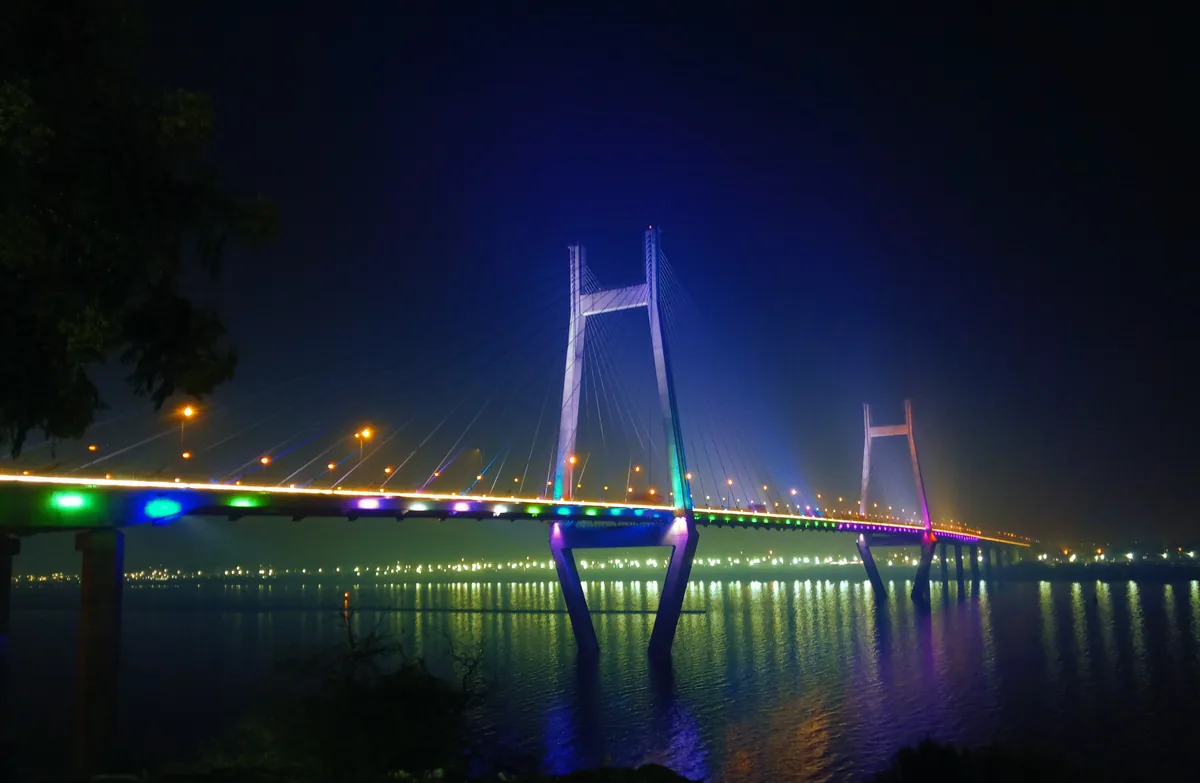
Naini Bridge
One of India oldest and longest bridges, the Old Naini Bridge is a double-decked steel truss structure spanning 1,006 metres across the Yamuna. Construction began in 1859 and the bridge opened in 1865, forming a vital link on the New Delhi-Howrah railway route. Its upper deck carries rail traffic while the lower deck serves as a roadway. A Victorian-era engineering landmark, it offers sweeping views of the Yamuna and the Sangam area, particularly striking at sunset and during Kumbh.
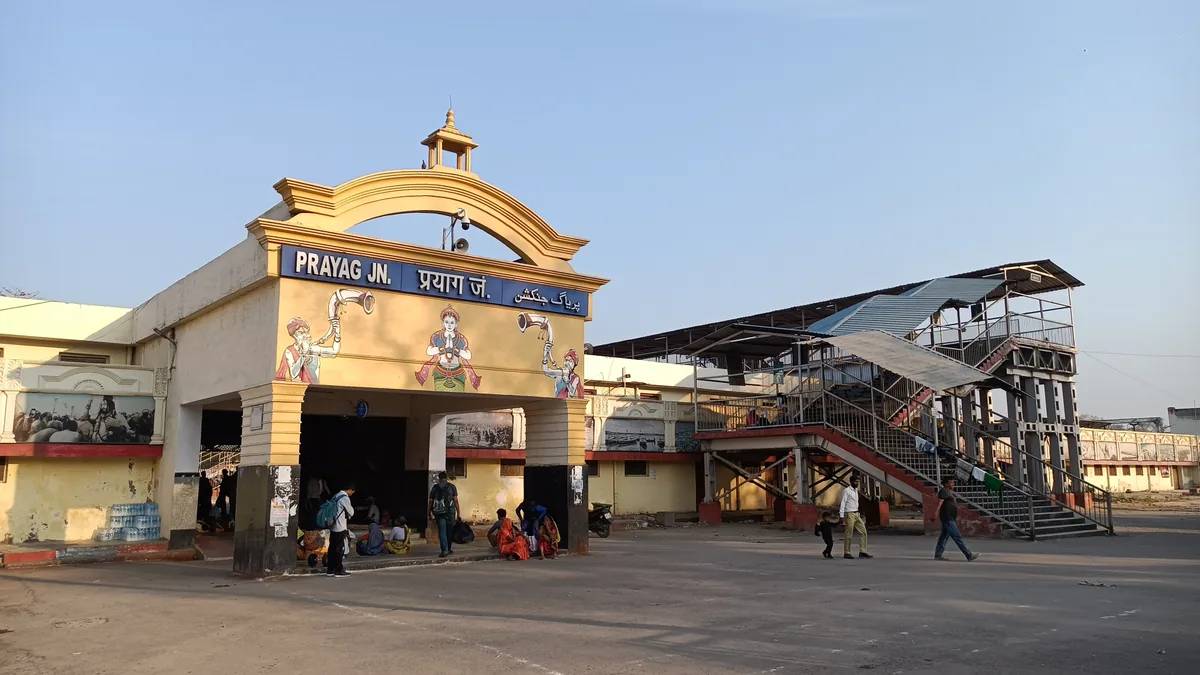
Prayagraj Junction
One of the oldest and busiest railway stations in India, Prayagraj Junction (formerly Allahabad Junction) opened in 1859 as part of the East Indian Railway Delhi-Howrah line and today serves as the divisional headquarters of the North Central Railway zone. Its 10 platforms handle over 300 trains daily, with operations scaling dramatically during Kumbh Mela. The station retains its original Indo-Saracenic colonial architecture and remains the primary gateway through which millions of pilgrims and travellers arrive in the city each year.
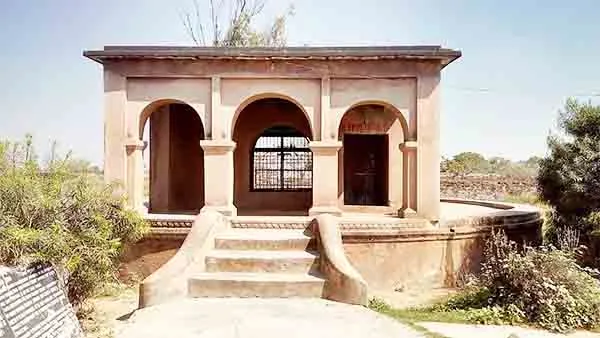
Samudra Koop
A sacred ancient well inside Allahabad Fort, Samudra Koop is believed to be the earthly source of the mythical Saraswati river. Located near the Ashoka Pillar and Patalpuri Temple within the fort complex, the well is venerated in Hindu tradition for its connection to the cosmic ocean and is said to possess healing properties. Pilgrims who visit Patalpuri Temple routinely seek darshan of Samudra Koop as part of the same sacred circuit, with access opened especially during Magh Mela and Kumbh Mela.
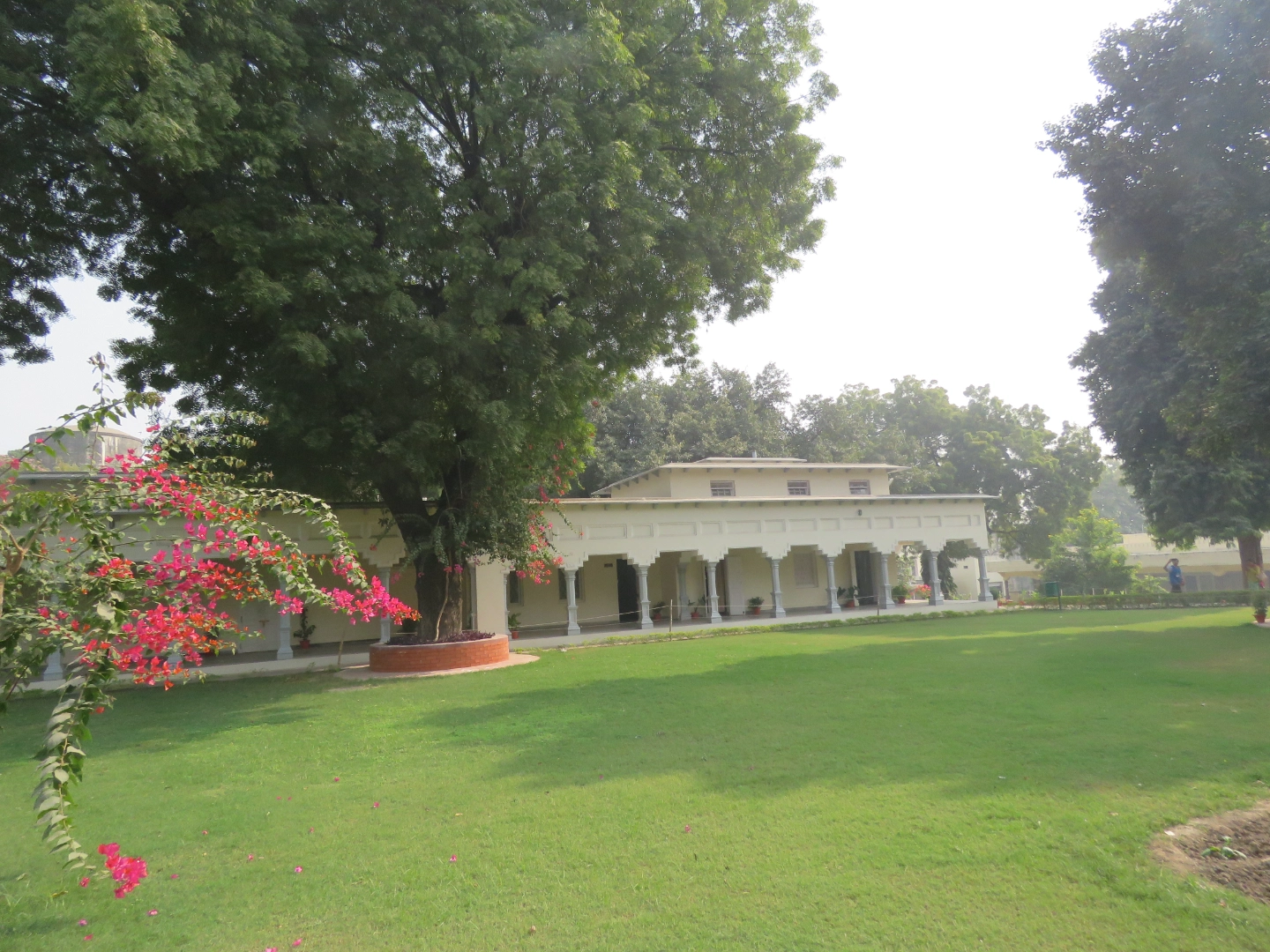
Swaraj Bhavan
The original Nehru family home in Prayagraj donated to the Congress in 1930, now a museum preserving the history of India's independence movement.
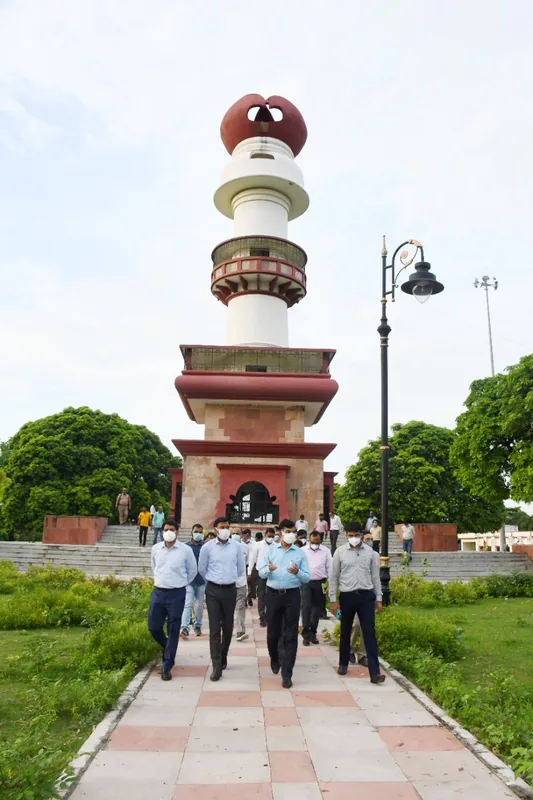
Triveni Pushp
A riverside cultural complex near the Triveni Sangam, Triveni Pushp was established in 2003 and spans 16 bighas along the Sangam waterfront. It features 12 landscaped gardens, a central tower offering panoramic views of the Ganga-Yamuna confluence, walkways with spiritual sculpture murals, and open-air seating. Now managed by Parmarth Niketan of Rishikesh, it serves as a cultural hub for events, yoga retreats, and river tourism, offering a tranquil space for visitors after the intensity of the Sangam ghats.
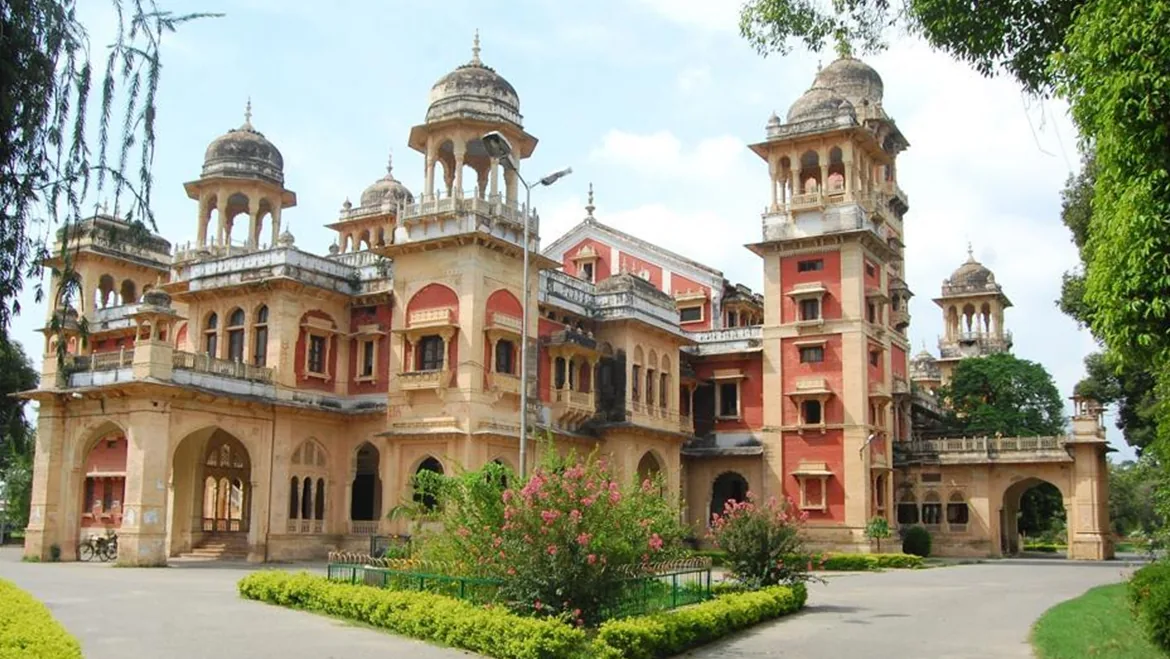
University of Allahabad
Established on 23 September 1887, the University of Allahabad is the fourth oldest modern university in India and is widely known as the Oxford of the East. Its origins lie in Muir Central College, whose main building was designed by Sir William Emerson in a grand Indo-Saracenic style. The university has produced two Presidents of India, two Prime Ministers, and generations of civil servants, judges, and writers, making its campus a significant heritage destination as well as an active centre of learning.
Scenic Spots
7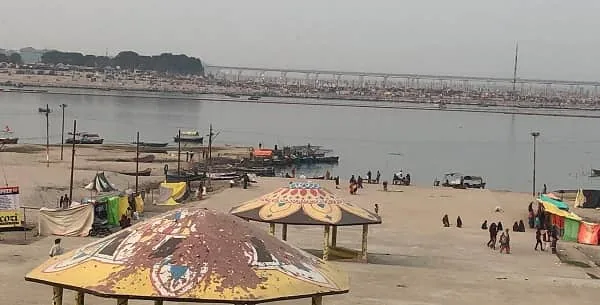
Arail Ghat
Situated on the south bank of the Yamuna directly opposite the Triveni Sangam, Arail Ghat offers panoramic views of the entire confluence from across the water. Less crowded than the main Sangam-side ghats, it is a favoured spot for those seeking quiet reflection, morning walks, and photography. A short boat ride of around 500 metres connects the ghat to the holy confluence. Maharishi Mahesh Yogi established a large ashram and school here, adding a meditative character to the surroundings.
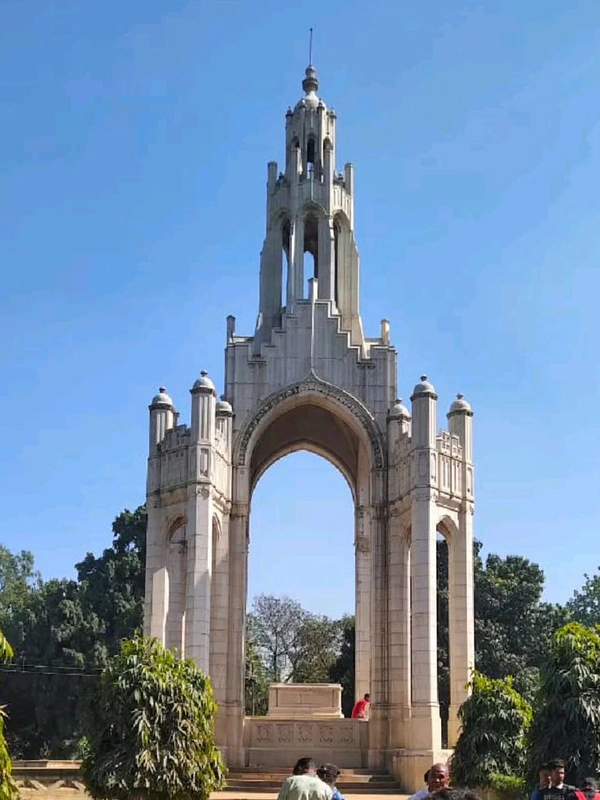
Company Garden (Alfred Park / Chandrashekhar Azad Park)
A vast 133-acre historic park in Prayagraj where freedom fighter Chandrashekhar Azad died in 1931, also home to the Allahabad Museum.
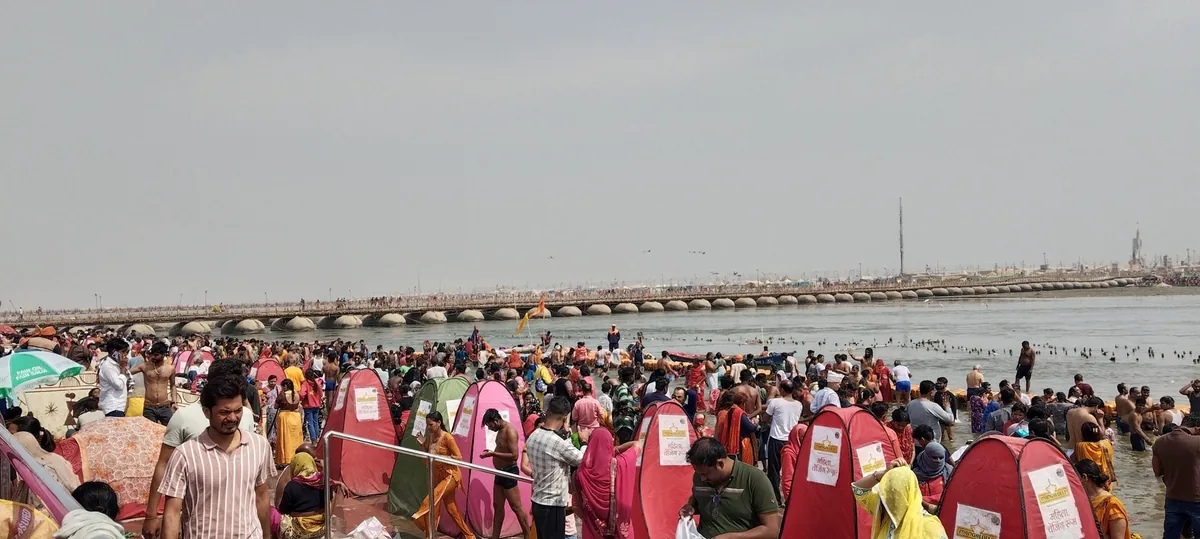
Daraganj Ghat
Located on the Ganga upstream from the Triveni Sangam in the historic Daraganj locality, this ghat is one of the oldest in Prayagraj. Its most significant stretch includes Dashashwamedh Ghat, where Lord Brahma is believed to have performed ten Ashwamedha yajnas, giving the city its name as Tirtharaj. The area is less crowded than the main Sangam, drawing pilgrims seeking a quieter setting for ritual bathing alongside the Nagvasuki Temple and other sacred sites in the neighbourhood.
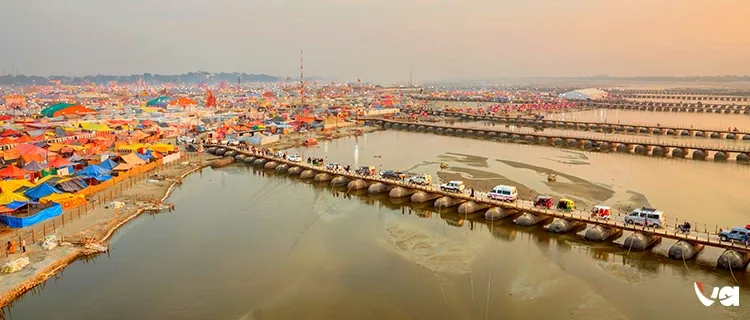
Sangam Ghat
The primary bathing ghat at the Triveni Sangam, Sangam Ghat is the spiritual epicentre of Prayagraj and the main site of the Kumbh Mela. Pilgrims gather here year-round for ritual bathing, believing a holy dip at the confluence of the Ganga, Yamuna, and mythical Saraswati grants liberation. Every evening, priests perform the Ganga Aarti with oil lamps, conch shells, and Vedic chants in an atmosphere of quiet devotion. Boat rides from the ghat take visitors to the exact point where the rivers visibly meet.
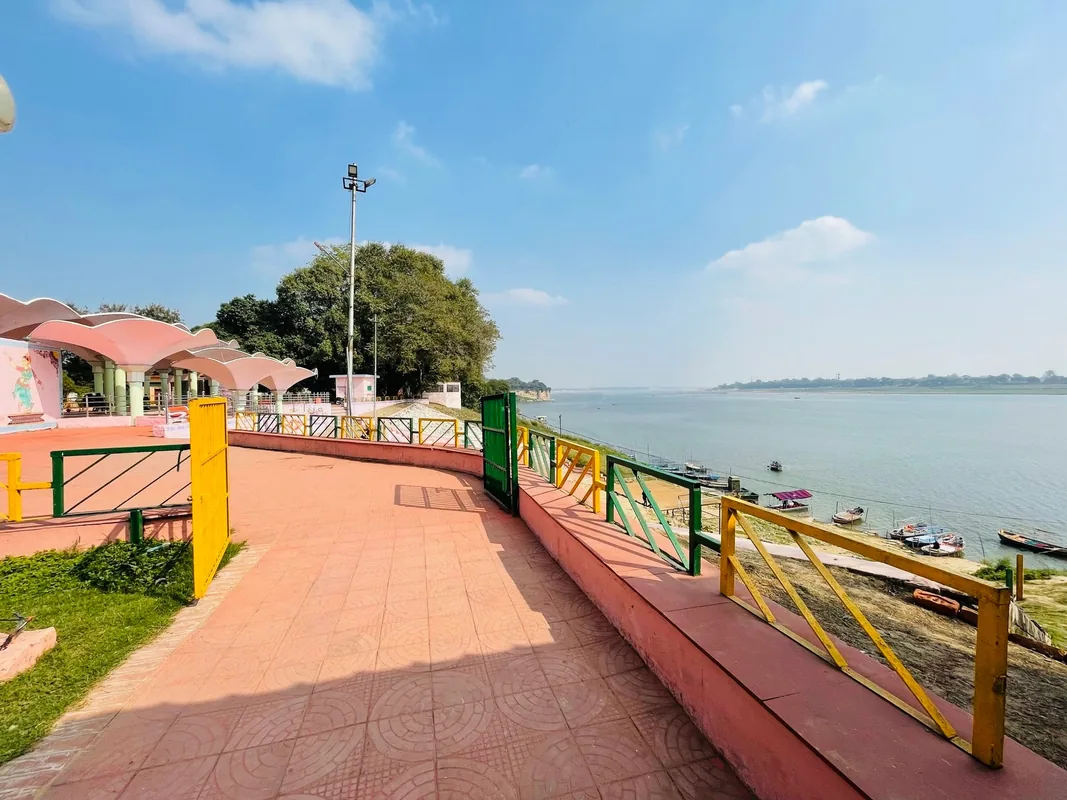
Saraswati Ghat
Situated on the Yamuna banks adjacent to Allahabad Fort, Saraswati Ghat is named after the goddess of knowledge and is widely regarded as the most serene and aesthetically refined ghat in Prayagraj. Its wide stone steps, intricate stonework, and quiet riverside setting make it a favourite for devotees performing morning rituals and for witnessing the evening aarti. The ghat sits close to Triveni Sangam, making it a natural starting point for exploring Prayagraj riverfront.
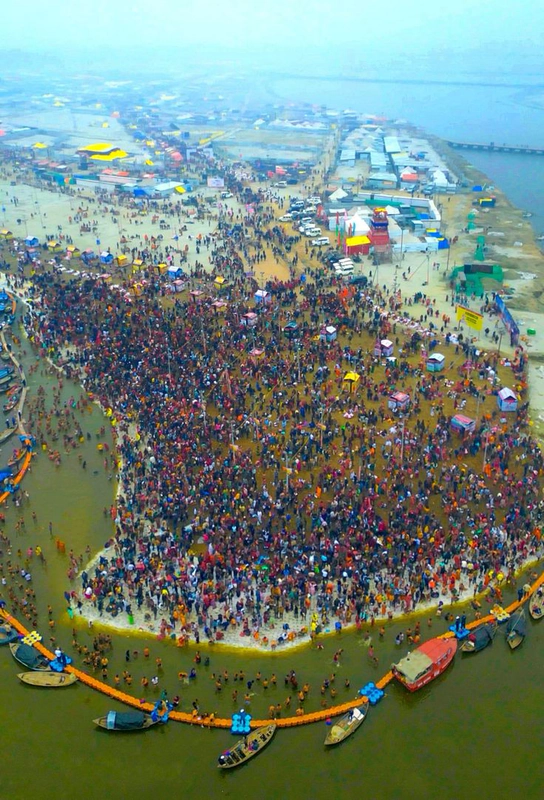
Triveni Sangam
The most sacred Hindu confluence where the Ganga, Yamuna, and mythical Saraswati rivers meet in Prayagraj — believed to grant liberation, epicentre of the Kumbh Mela.

Yamuna Bridge Area
The Yamuna Bridge area in Prayagraj offering the best views of the Ganga-Yamuna confluence, especially spectacular during Kumbh Mela and at sunset.
Shopping
3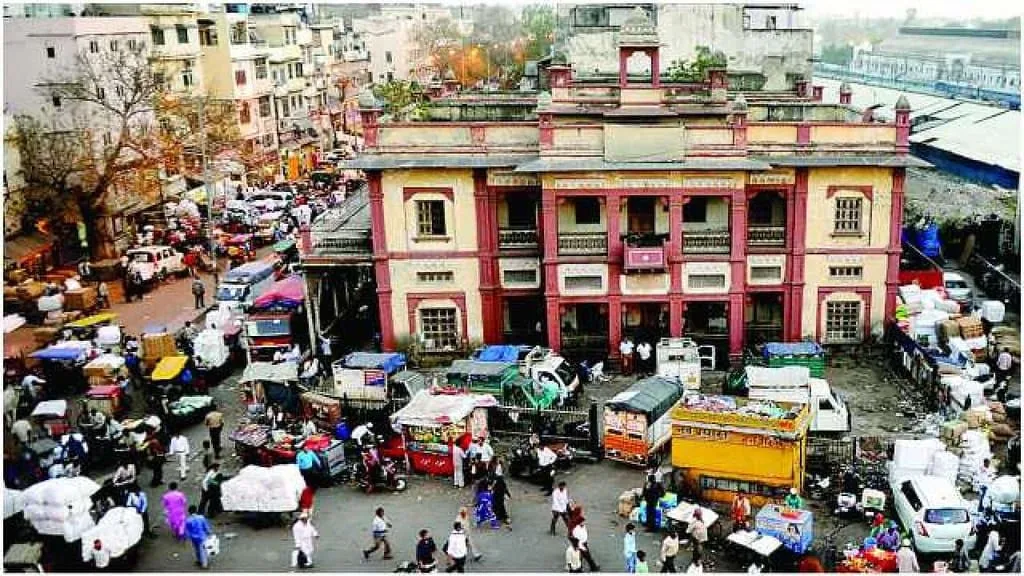
Chowk Market
Prayagraj oldest and most atmospheric market, Chowk occupies the heart of the old city and is one of the largest traditional bazaars in the region. Its dense lanes are lined with shops selling ethnic wear, traditional jewellery, brassware, pottery, religious items, and home decor. The Ghantaghar clock tower is a local landmark within the market. Chowk is also famous for its street food, particularly the chaat stalls of Loknath Gali, making it a destination for both shopping and an authentic taste of old-city Prayagraj.
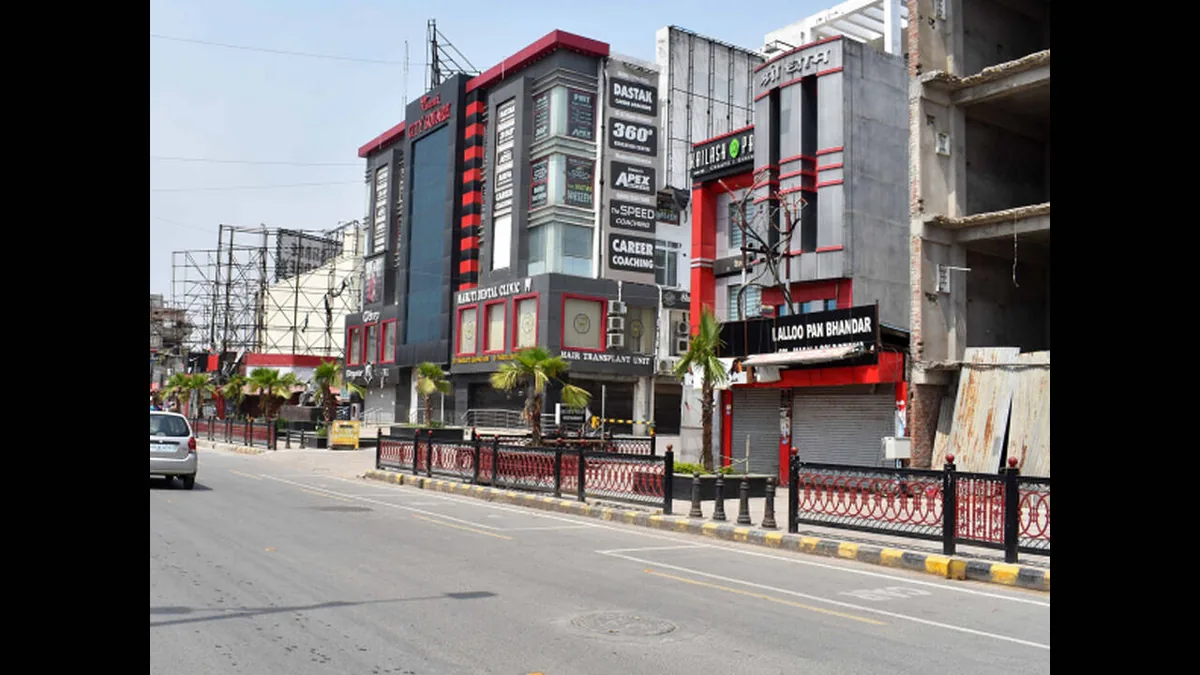
Civil Lines Market
The commercial spine of Prayagraj modern quarter, Civil Lines is a well-planned shopping district centred on MG Marg, Sardar Patel Marg, and Vivekananda Marg. It combines branded clothing stores, lifestyle outlets, jewellers, and local boutiques with a relaxed, walkable atmosphere notably different from the older bazaars. The area also offers a good selection of cafes and restaurants, making it ideal for an unhurried evening out. Civil Lines sits close to heritage landmarks like All Saints Cathedral, Anand Bhavan, and the Allahabad High Court.
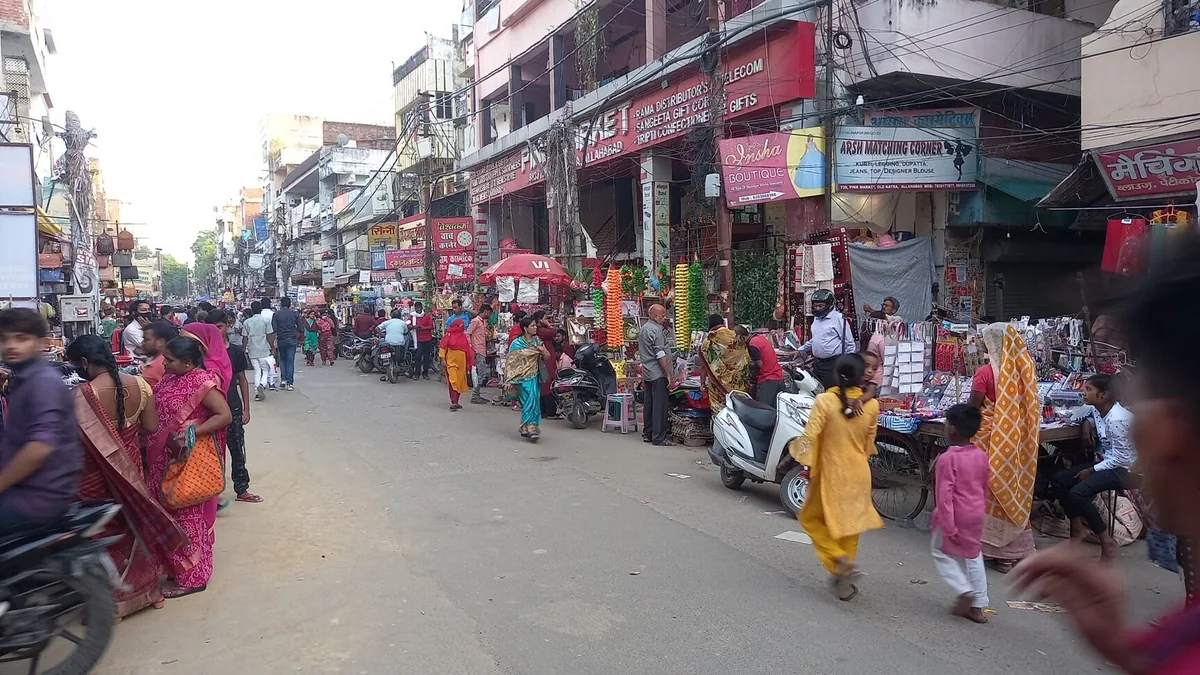
Katra Bazaar
One of Prayagraj most popular commercial hubs, Katra Bazaar sits near the city centre and Allahabad University, making it a busy destination for students and residents alike. Divided into Old Katra, Katra Extension, and New Katra, the market spans a wide range of goods including traditional sarees, ethnic wear, bangles, handicrafts, religious books, and daily essentials. Budget-friendly and easy to navigate, it draws shoppers looking for a mix of local goods and affordable finds alongside a handful of national brands.
Temple
10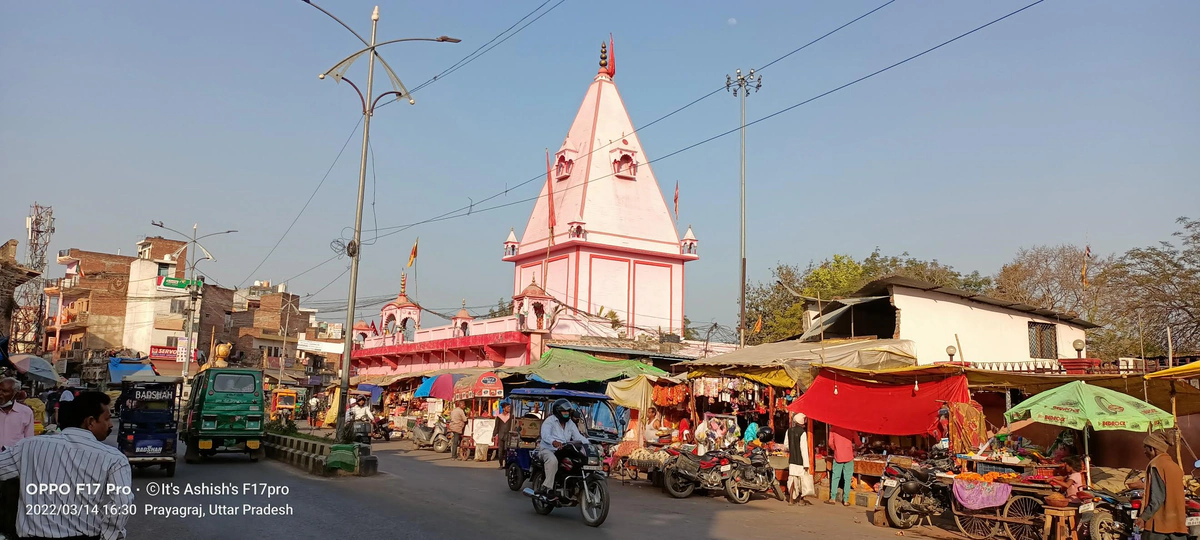
Alopi Devi Temple
A unique Shakti Peetha in Prayagraj where a sacred palanquin is worshipped instead of an idol, marking where Sati's doli fell.
Bharadwaj Ashram
One of India most most ancient Vedic learning centres, the Bharadwaj Ashram in Prayagraj is believed to be the gurukul of Rishi Bharadwaj, one of the Sapta Rishis. According to the Ramayana, it was the first stop of Ram, Sita, and Lakshmana after crossing the Ganga during their exile. The ashram complex today houses temples dedicated to Lord Shiva and Rama, and recent excavations here have unearthed idols believed to date to the 8th century BCE.
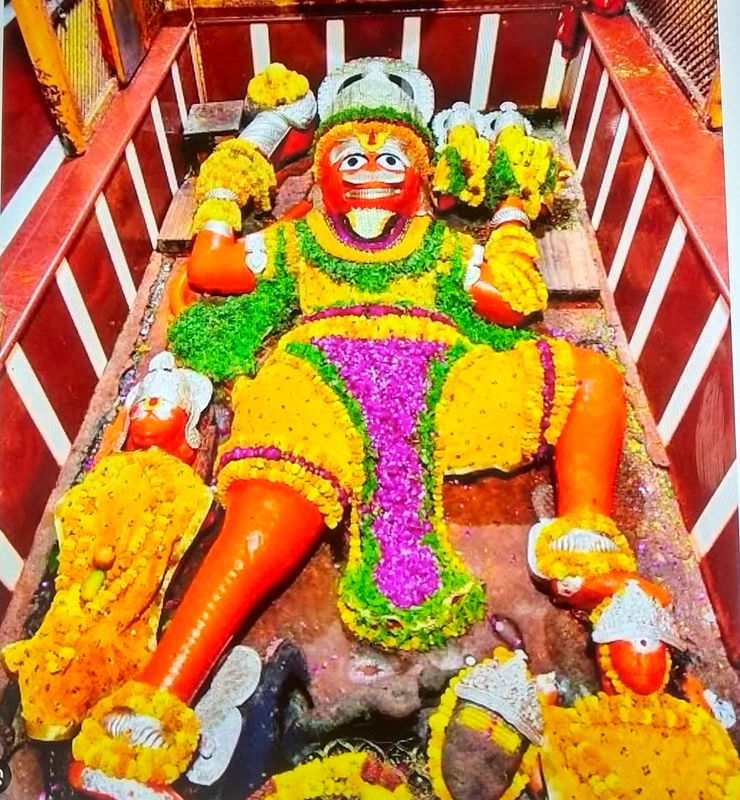
Hanuman Mandir (Lete Hanuman Ji)
A rare temple inside Allahabad Fort housing a reclining idol of Hanuman, believed to gradually sink deeper into the earth.
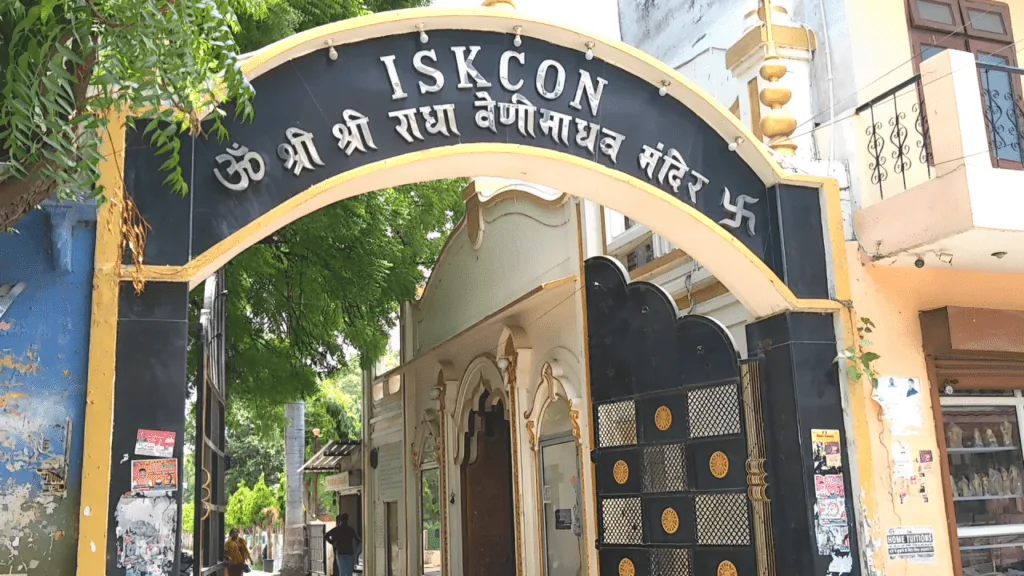
ISKCON Temple Prayagraj
The ISKCON temple in Prayagraj is a serene spiritual centre established in 1995 by the International Society for Krishna Consciousness. Enshrining the deities of Sri Sri Radha Venimadhav, the temple complex includes a dharmashala for visiting devotees and a small goshala. A welcome contrast to the city ancient riverfront ghats, it offers daily aartis, kirtan sessions, and prasad distribution, making it a peaceful retreat for both pilgrims and travellers exploring Prayagraj.
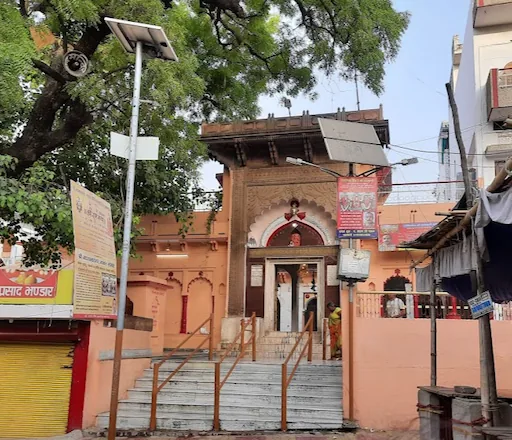
Kalyani Devi Temple
One of the 51 Shaktipeethas of India, the Kalyani Devi Temple in Prayagraj Attarsuiya locality is believed to be the spot where three fingers of Goddess Sati fell as Lord Shiva carried her corpse. The 1,500-year-old idol enshrines Kalyani Devi and Lalita Devi, considered twin names of Goddess Mahashakti in the Prayag Mahatmya. The temple draws its largest crowds during Chaitra and Ashwin Navratri, when devotees throng in thousands to seek the goddess blessings.
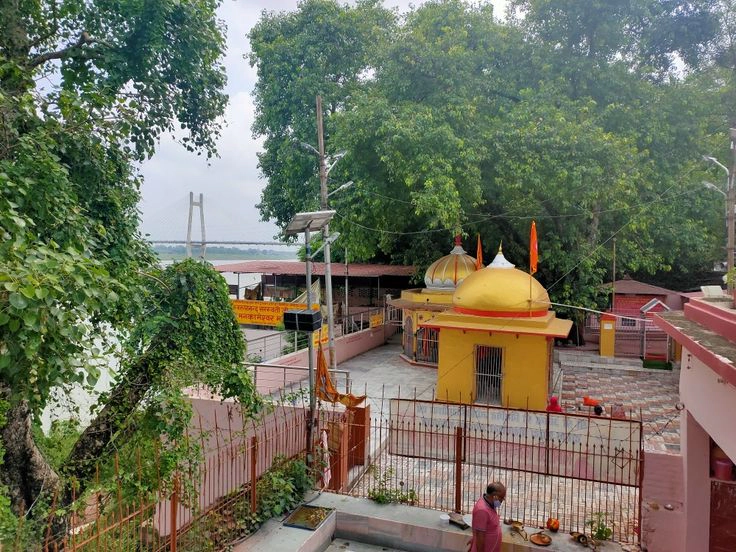
Mankameshwar Temple
An ancient riverside Shiva temple in Prayagraj known as the fulfiller of heart's desires, significant during Mahashivaratri.
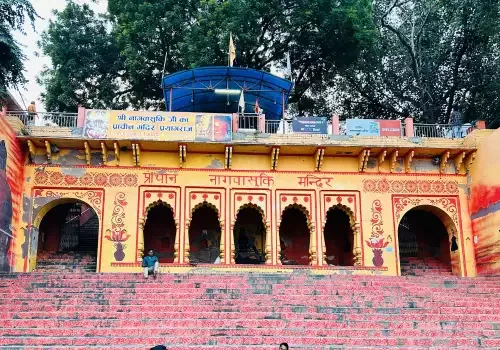
Nagvasuki Temple
Perched on the Ganga banks in the Daraganj locality, the Nagvasuki Temple is dedicated to Lord Vasuki, the serpent king who served as the rope during the Samudra Manthan. One of only two temples in India believed to relieve Kaal Sarpa Dosha, it houses a five-hooded black stone idol of Vasuki. The temple survived the Mughal era untouched and draws lakhs of devotees during Nag Panchami, making it an essential part of any Prayagraj pilgrimage.
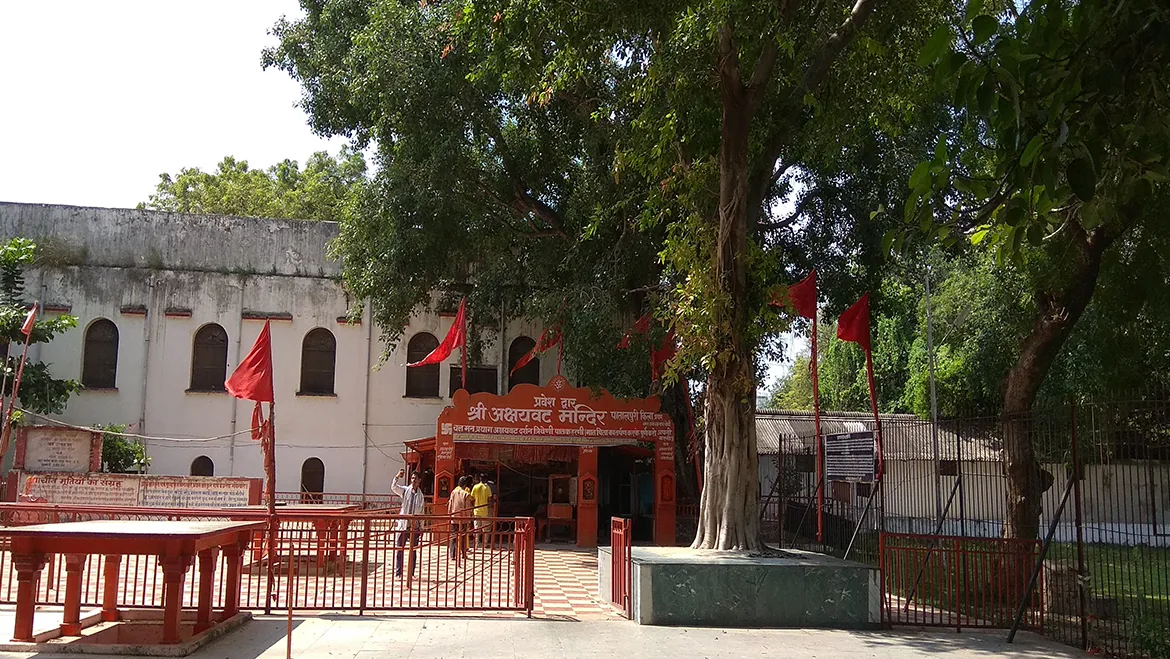
Patalpuri Temple
An ancient underground temple inside Allahabad Fort, Patalpuri is one of Prayagraj most most sacred shrines. Accessed through a subterranean passage beneath the fort ramparts, its long gallery houses idols of over 40 deities. Mentioned by Chinese traveller Hiuen Tsang in 644 AD, the temple is believed to have been visited by Lord Rama and the Pandavas. It is an essential stop for pilgrims arriving at the Triveni Sangam.
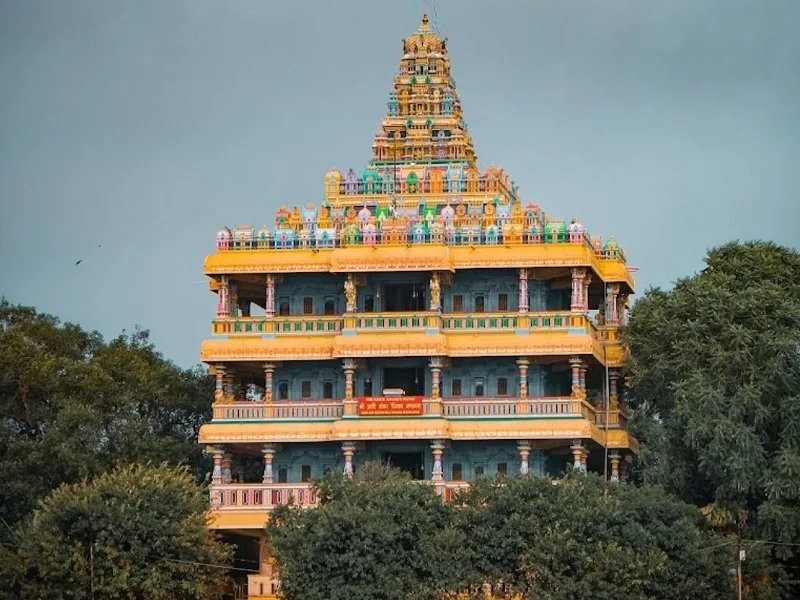
Shankar Viman Mandapam
A striking 130-foot, four-storey Dravidian-style temple on the Ganga left bank, north of Triveni Sangam, the Shankar Viman Mandapam is dedicated to Lord Shiva and built in honour of Adi Shankaracharya. Founded by devotees of the Kanchi Kamakoti Peeth and inaugurated in 1986, the temple houses a swayambhu Shiva Lingam believed to be self-manifested since Puranic times. The upper floors offer sweeping views of the Sangam.
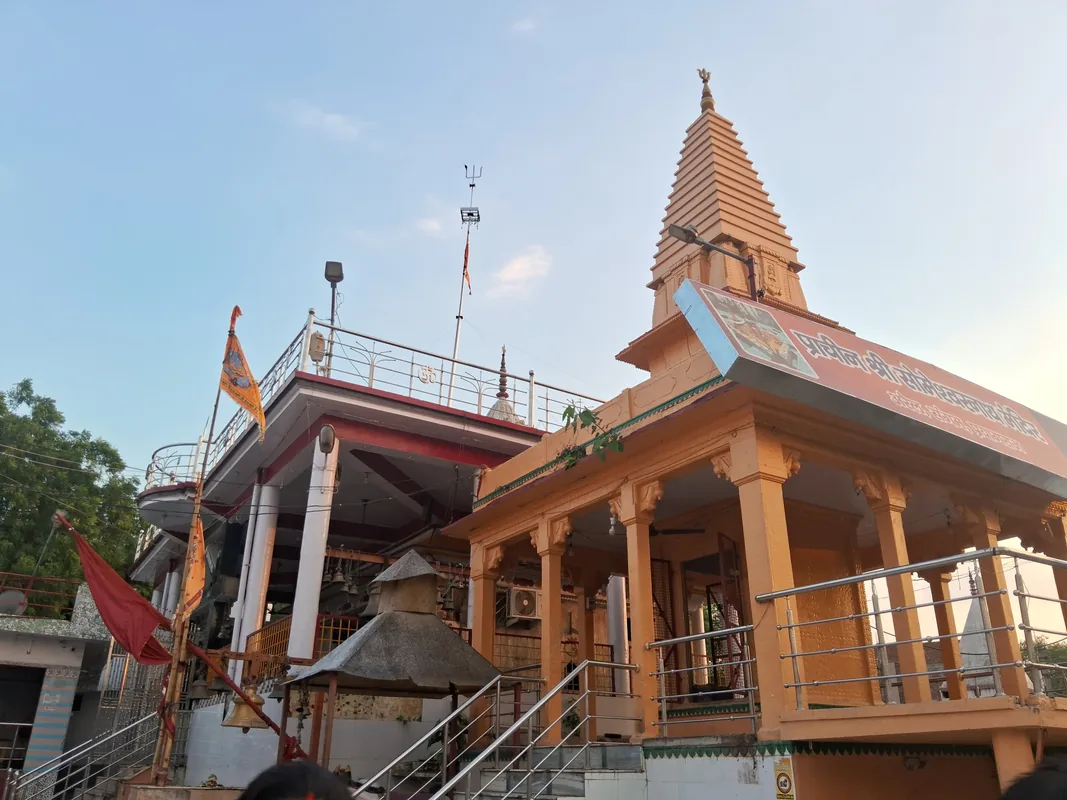
Someshwar Mahadev Temple
One of the eight most sacred tirthasthalas of Prayagraj, the Someshwar Mahadev Temple stands on the Yamuna bank at Arail village opposite the Allahabad Fort. According to legend, the temple was established by Chandra, the moon god, who worshipped Lord Shiva here to be cured of leprosy, giving the site its identity as Som Tirtha. The temple finds mention in the Padma Purana and Shiva Purana and draws large gatherings of pilgrims during Kumbh, Ardh Kumbh, and Maha Shivratri.