Sarnath
Top Places to Visit in Sarnath
Popular attractions and places to visit in Sarnath
Ashoka Pillar Ruins
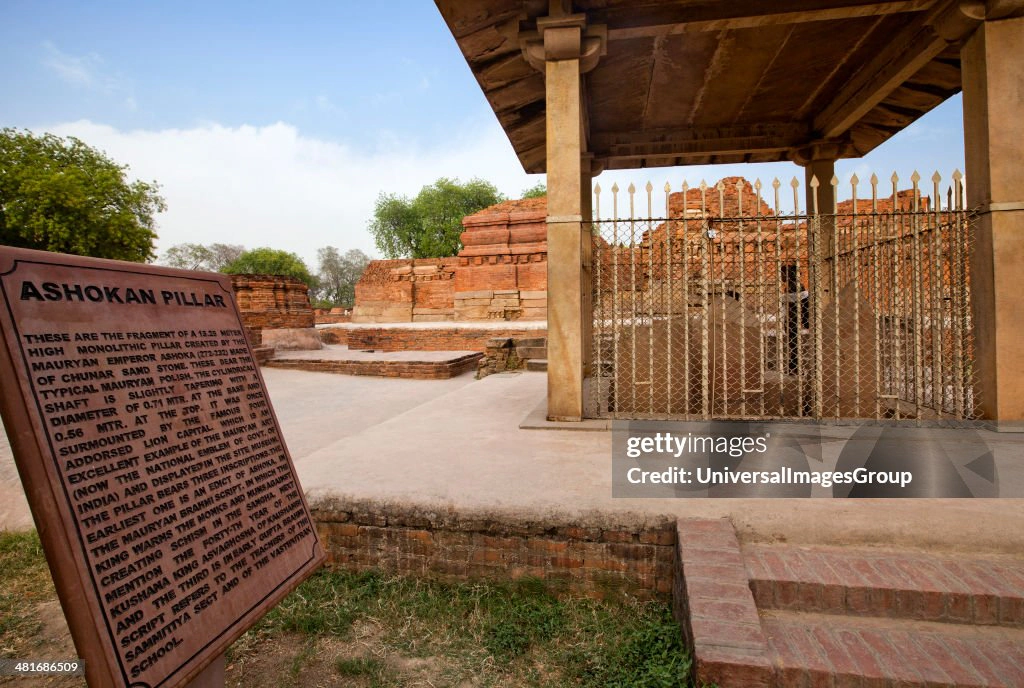
Remains of Emperor Ashoka's 3rd century BCE pillar at Sarnath, whose Lion Capital became India's National Emblem.
Burmese Monastery (Dharmodaya Sabha)
The Burmese Monastery at Sarnath, run by the Dharmodaya Sabha, is one of the prominent Theravada institutions in the international monastery cluster near the Dhamek Stupa. Built in a style reflecting Burmese Buddhist temple architecture, it offers a serene space for meditation and religious observance. Monks from Myanmar reside here and conduct regular ceremonies, contributing to Sarnath's identity as a living, multination centre of Buddhist practice and pilgrimage.
Central Institute of Higher Tibetan Studies
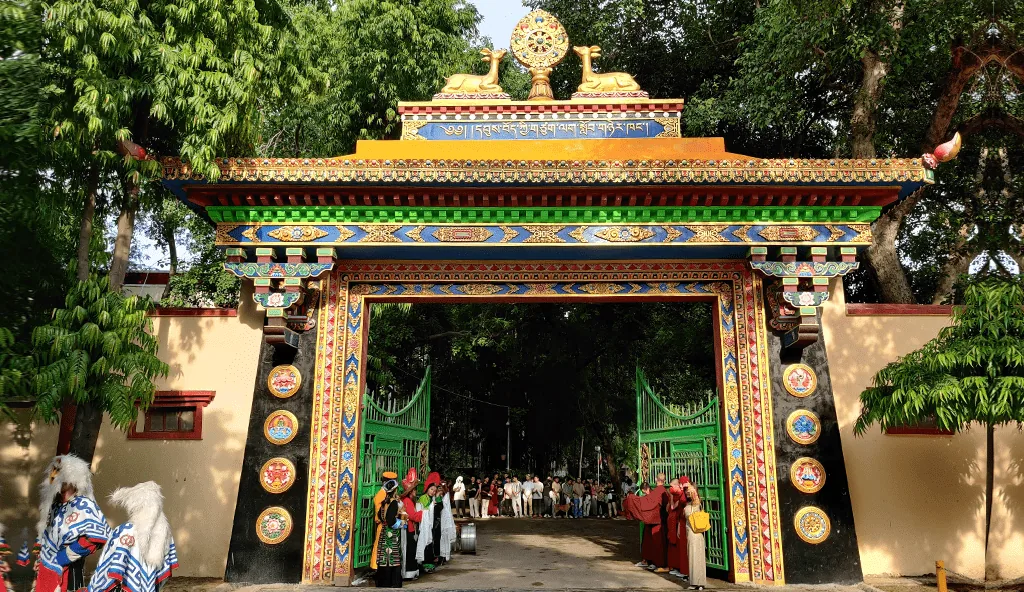
The Central Institute of Higher Tibetan Studies (CIHTS), established in 1967 and deemed a university in 1988, is India's premier institution for Tibetan language, culture, and Buddhist philosophy. Located in Sarnath, it preserves rare Tibetan manuscripts, texts, and thangka traditions at risk of extinction following the Tibetan diaspora. The institute houses an outstanding museum of Tibetan art and artefacts, making it an essential visit for those interested in Himalayan Buddhism and living cultural heritage.
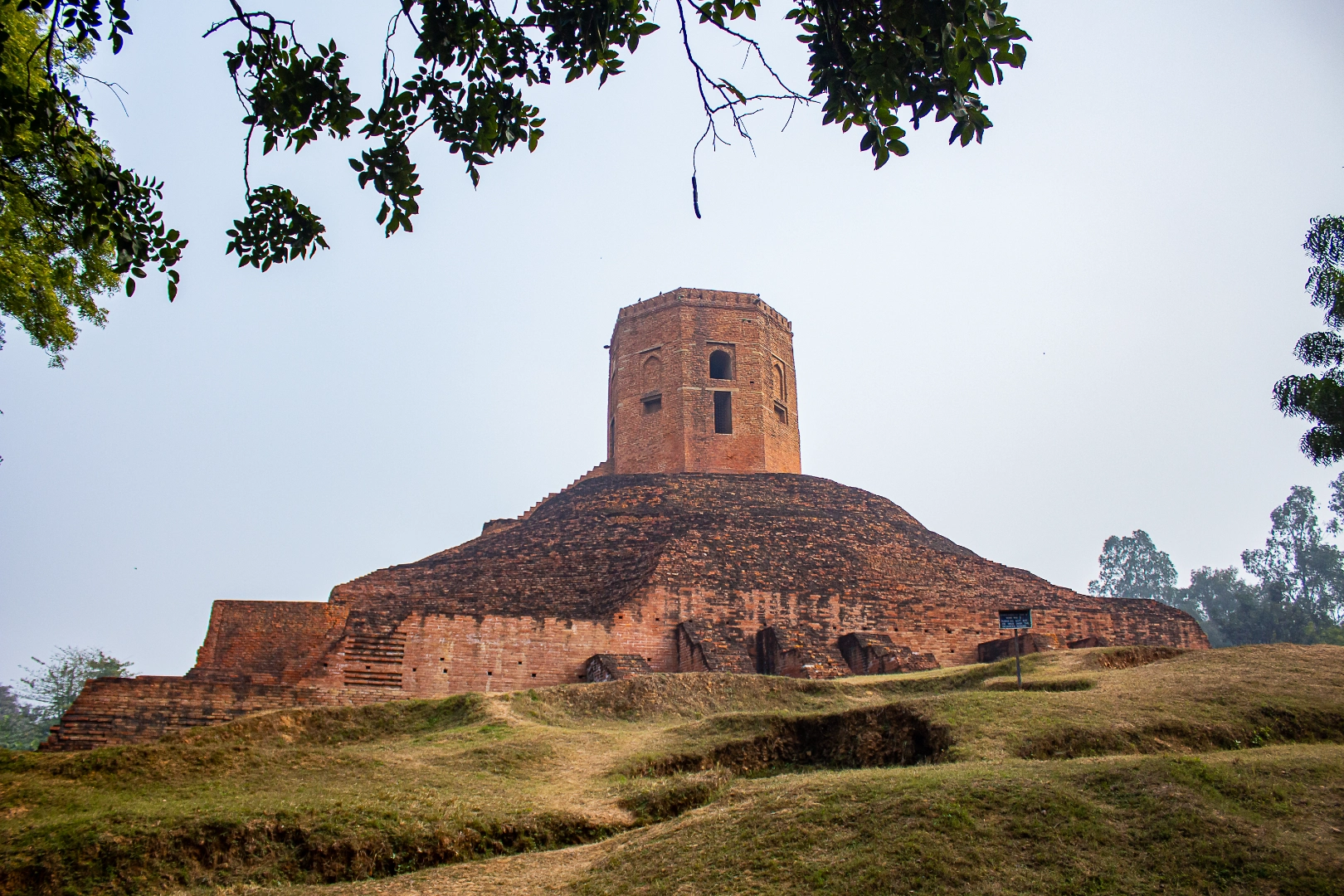
Chaukhandi Stupa
The stupa at Sarnath marking where Buddha first met his five disciples after enlightenment, with a Mughal octagonal tower added in the 16th century.
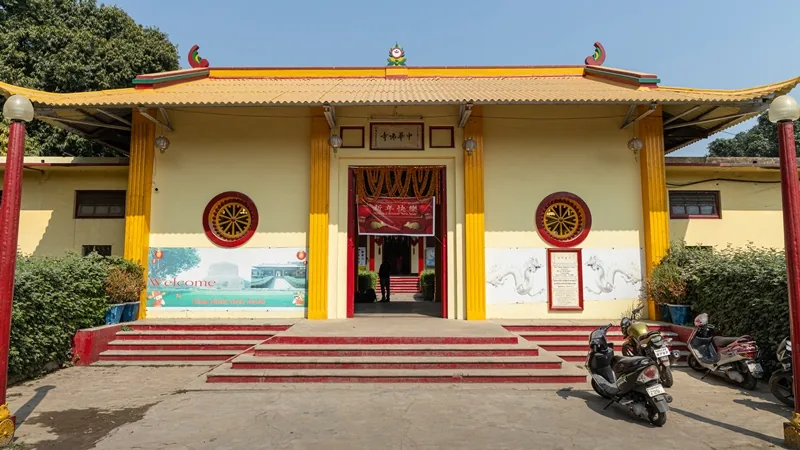
Chinese Temple (Chini Mandir)
The Chinese Temple (Chini Mandir) is the oldest foreign monastery in Sarnath, established in 1939 by Chinese Buddhist monk Venerable Bhikshu Bodhananda. Located near the Dhamek Stupa, the temple features traditional Chinese pagoda-style architecture with ornate dragon motifs and vibrant interiors. It serves as an active place of worship and a testament to Sarnath's standing as an international Buddhist pilgrimage destination drawing devotees from across Asia.
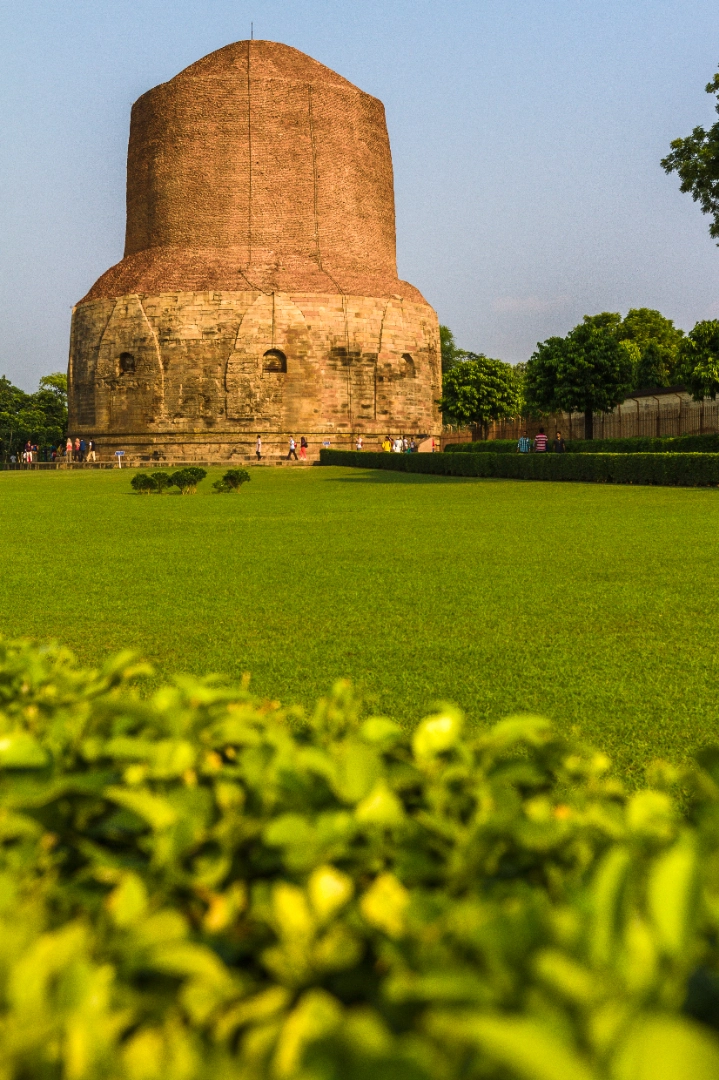
Dhamek Stupa
A 43-metre Gupta period stupa at Sarnath marking where Buddha delivered his first sermon, covered in intricate carvings and a UNESCO World Heritage Site.
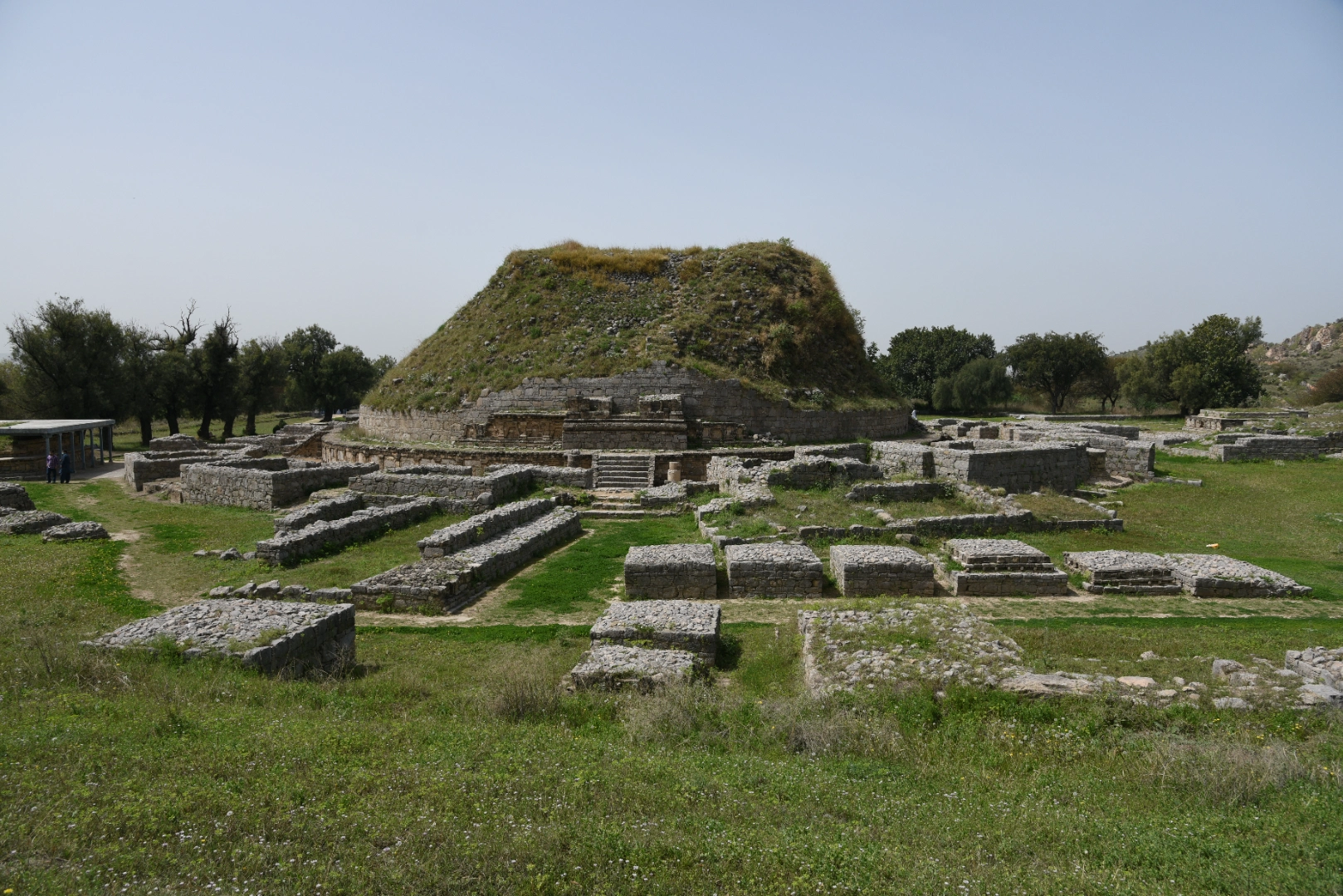
Dharmarajika Stupa
An original Ashokan stupa at Sarnath, largely demolished in 1794 for building material, with only its circular base surviving as an important archaeological remnant.
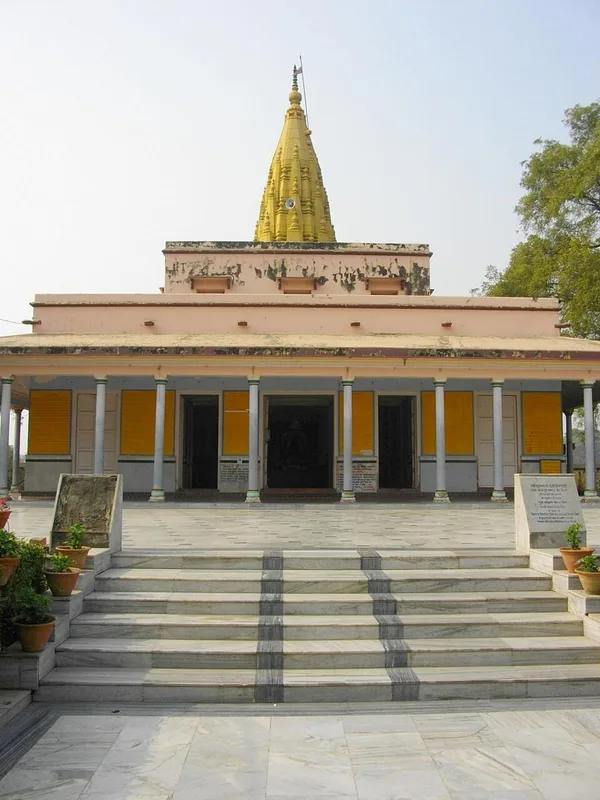
Digambar Jain Temple
The Digambar Jain Temple at Sarnath is a significant Jain pilgrimage site believed to mark the birthplace of Shreyansanath, the 11th Tirthankara of Jain tradition. The white marble temple houses a beautifully carved idol of Shreyansanath and attracts Jain devotees from across India alongside the Buddhist pilgrims who dominate Sarnath's visitor landscape. Its serene courtyard and intricate stonework offer a quieter, contemplative counterpoint to the busier archaeological zone nearby.
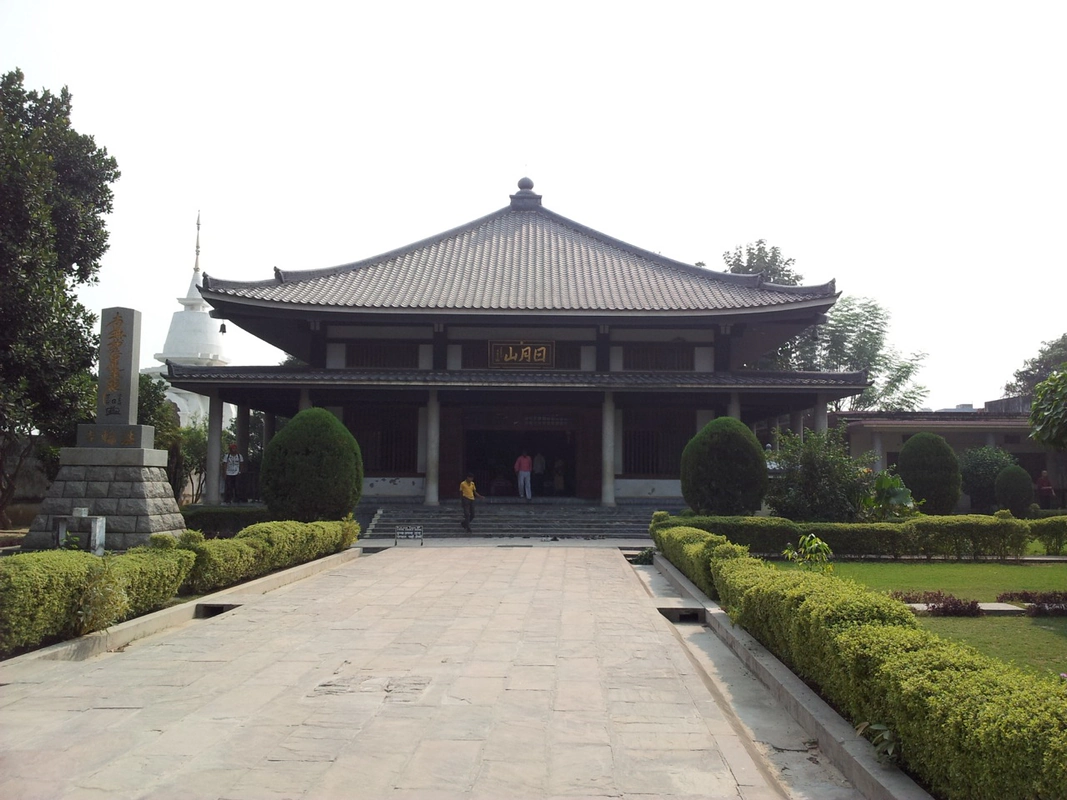
Japanese Temple (Nichigai Suzan Horinji)
A Japanese Nichiren Buddhist temple near Sarnath's Dhamek Stupa, reflecting the international pilgrimage significance of the site of Buddha's first sermon.
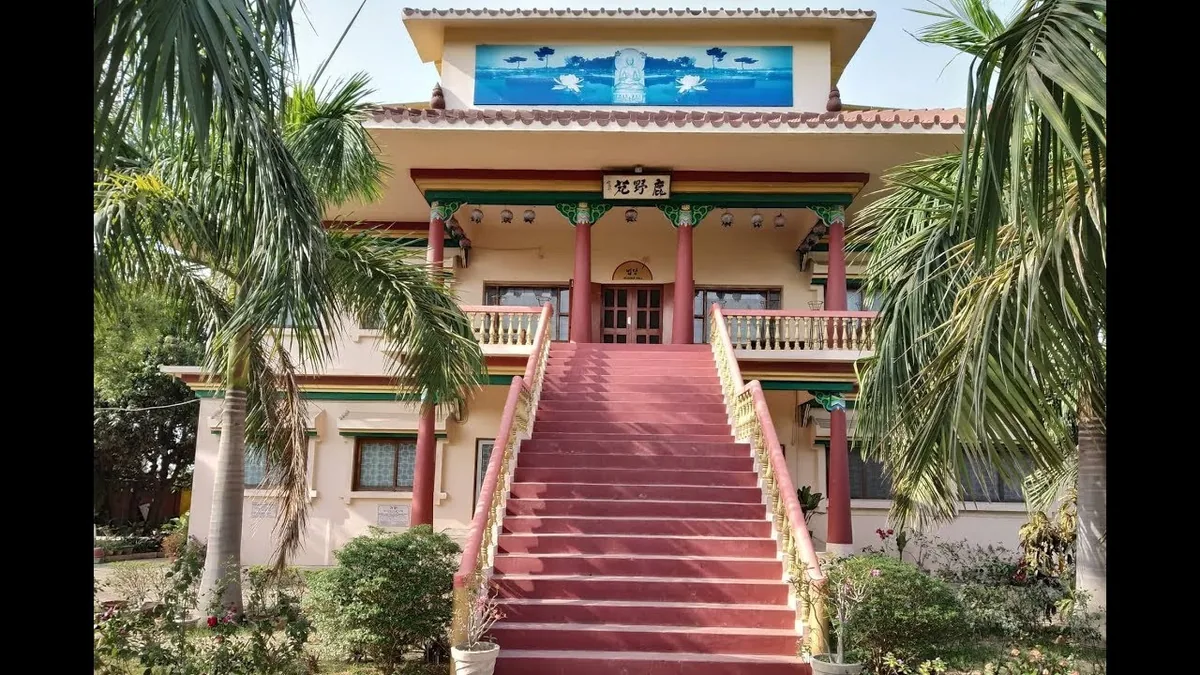
Korean Temple (Koreana Buddhist Temple)
The Korean Temple at Sarnath is part of the international monastery complex that has grown around the site of Buddha's first sermon. Built in traditional Korean Buddhist architectural style, the temple reflects the deep reverence Korean Buddhism holds for Sarnath as a sacred tirtha. Monks and pilgrims from Korea visit regularly for prayer and meditation, making it a meaningful stop for those exploring the full breadth of Sarnath's global spiritual significance.
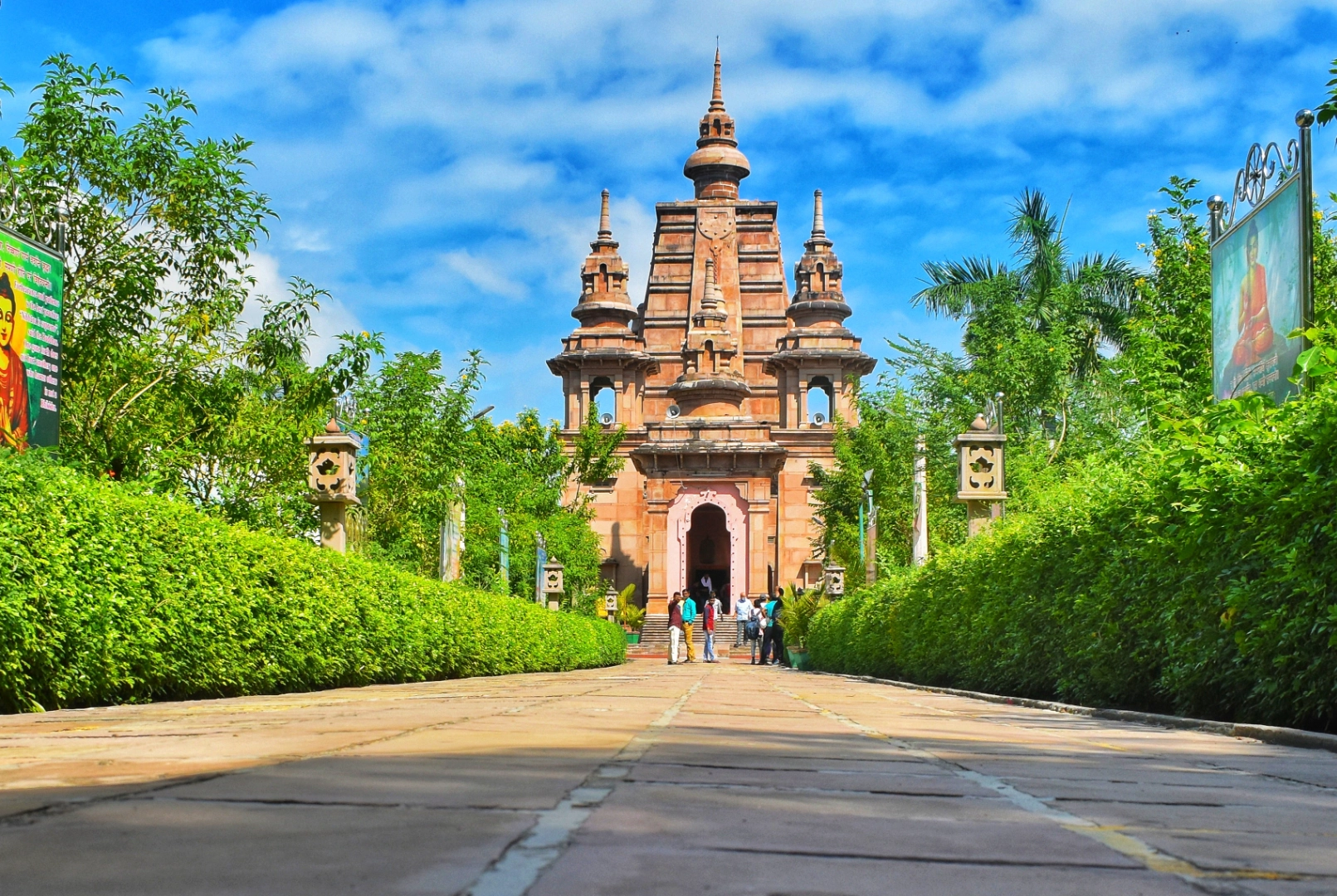
Mulagandha Kuti Vihar
A 1931 Buddhist temple at Sarnath adorned with magnificent Japanese frescoes of the Buddha's life, housing genuine relics and a Bodhi tree sapling.
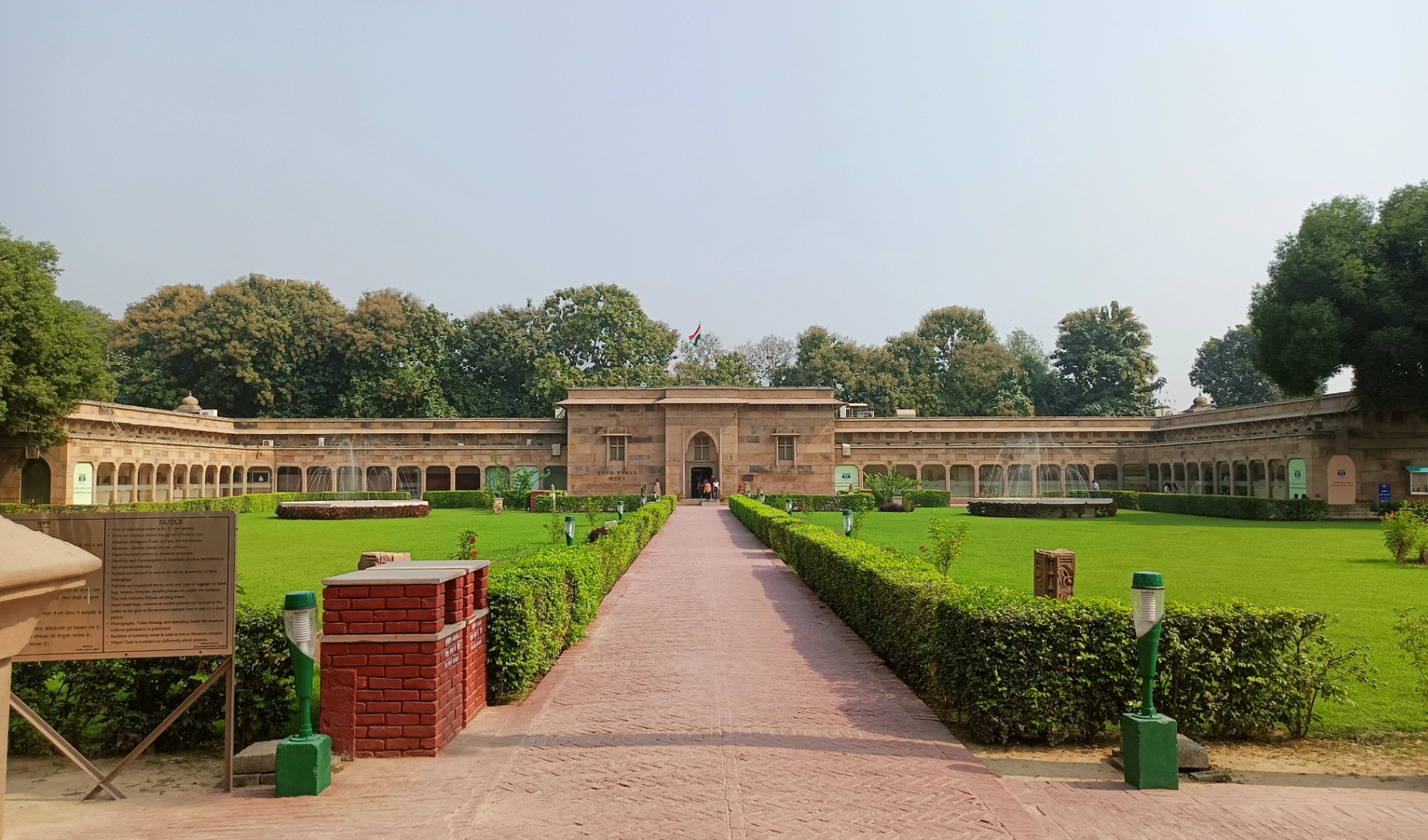
Sarnath Archaeological Museum
India's oldest site museum at Sarnath, housing the original Lion Capital of Ashoka (India's National Emblem) and a masterpiece Gupta standing Buddha.
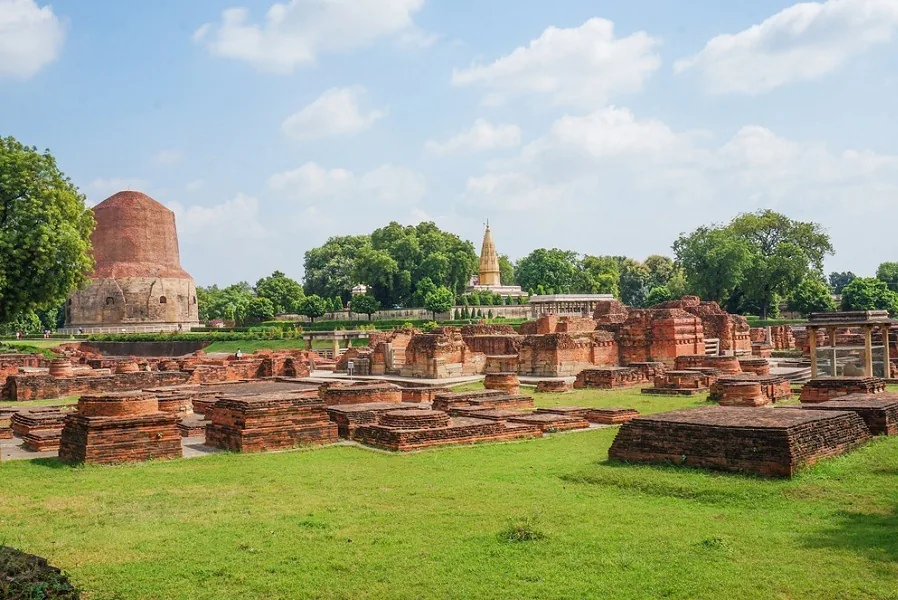
Sarnath Archaeological Ruins Complex
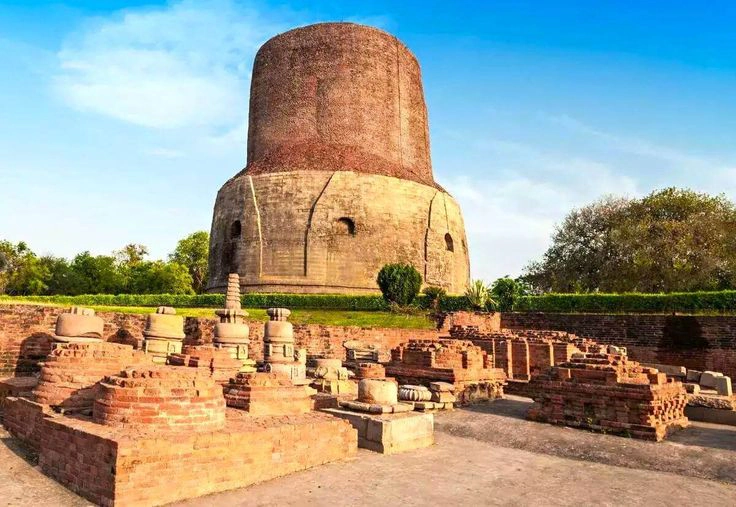
The Sarnath Archaeological Ruins Complex encompasses the excavated remains of monasteries, shrines, and sacred structures unearthed during British-era and subsequent ASI digs across the Deer Park zone. Foundations of the Kutagarasala Vihara, votive stupas, and monastic cells dating from the Mauryan to Gupta periods lie exposed within the enclosure. Walking the ruins alongside the Dhamek and Dharmarajika stupas gives visitors a tangible sense of Sarnath as a thriving monastic university town before its 12th-century decline.
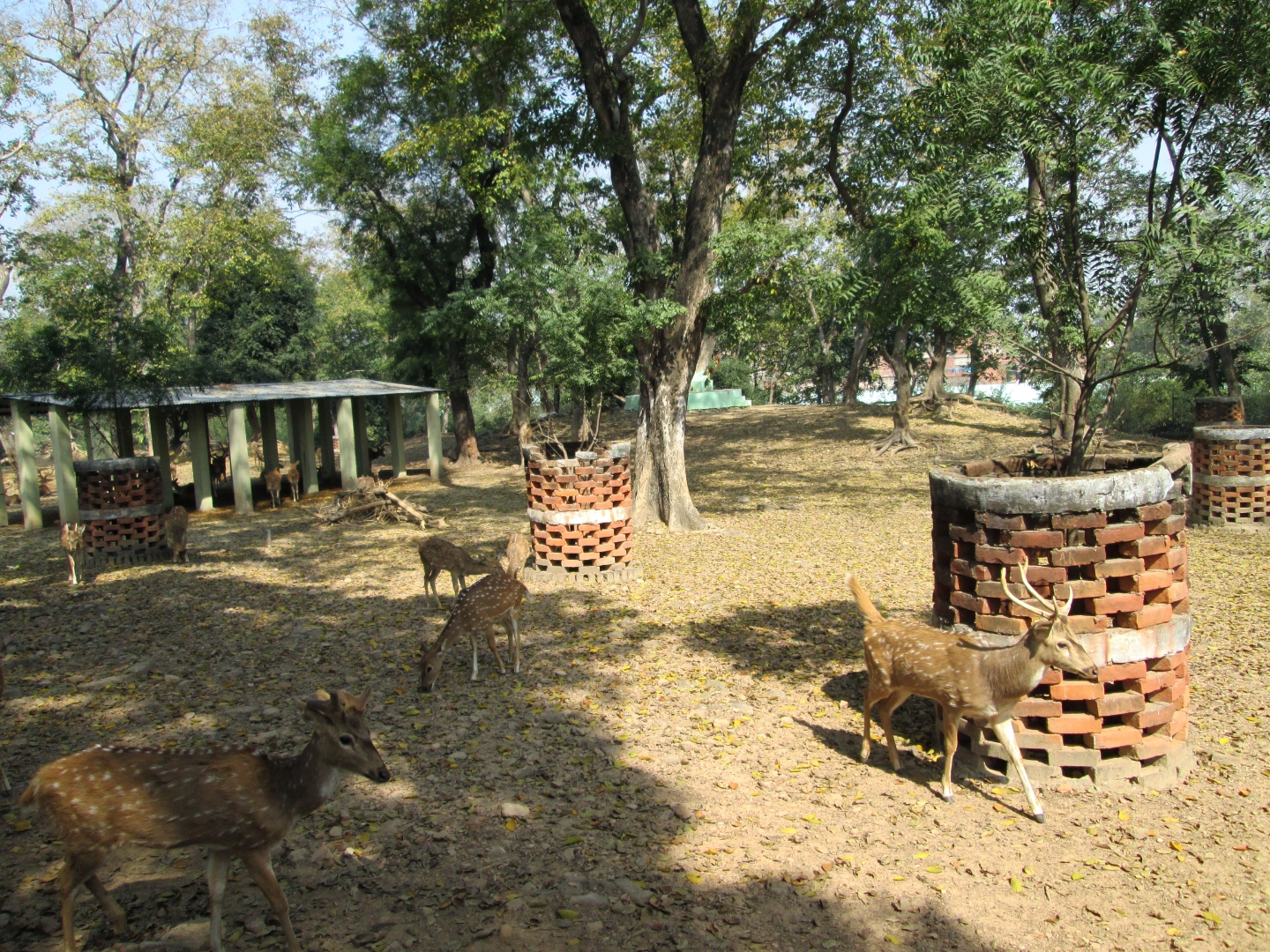
Sarnath Deer Park (Mrigadava)
The sacred deer grove at Sarnath where Buddha delivered his first sermon — the birthplace of Buddhist teachings, with ancient ruins and deer still present today.
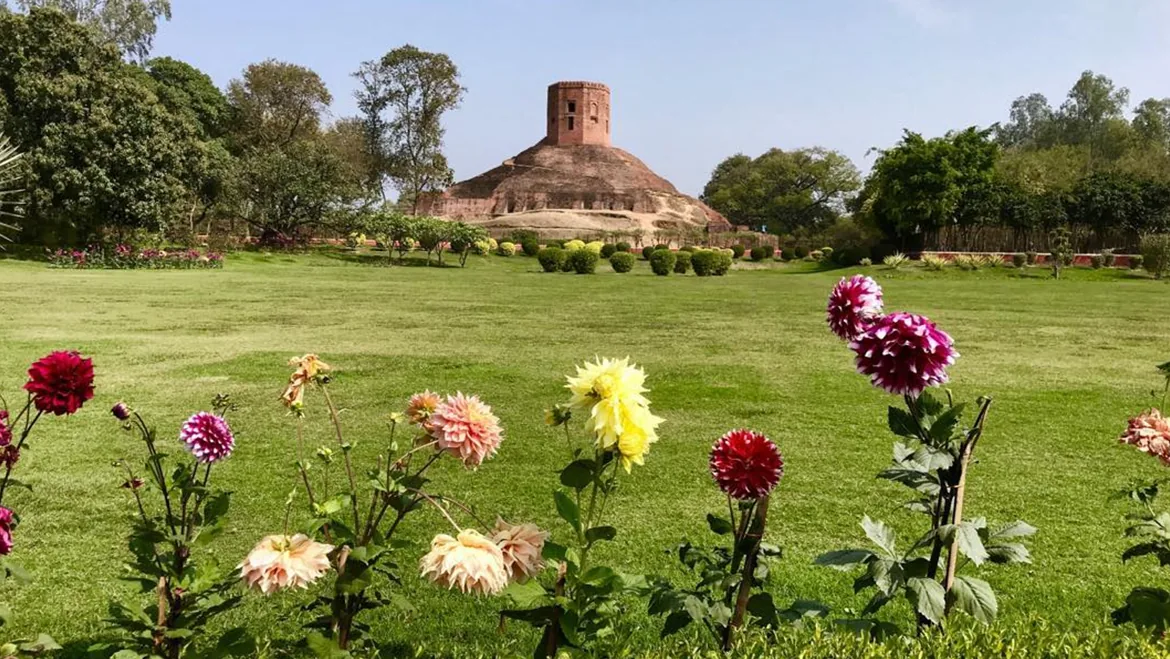
Sarnath Garden
The Sarnath Garden comprises the landscaped grounds maintained by the Archaeological Survey of India surrounding the core monument zone. Well-kept lawns, flowering trees, and shaded pathways frame the ancient stupas and monastery ruins, making the space as much a meditative promenade as a heritage circuit. Early mornings here are especially tranquil, with monks in robes circumambulating the Dhamek Stupa against birdsong and gentle light. The garden setting elevates a site visit into something closer to a contemplative experience.
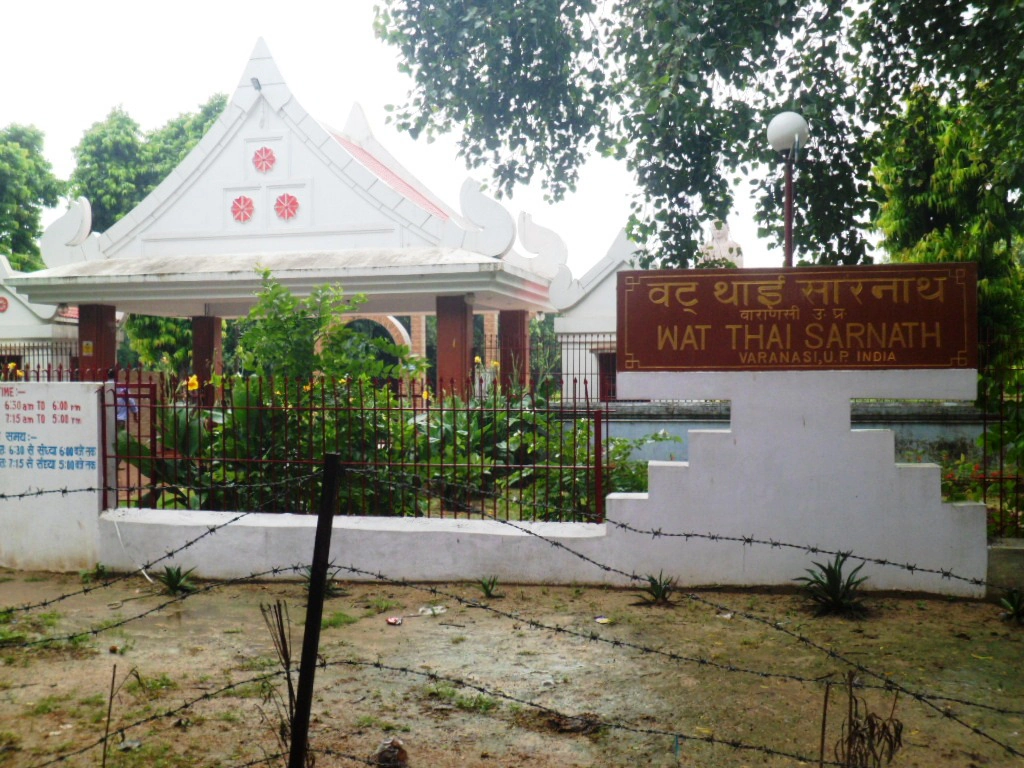
Thai Temple (Wat Thai Sarnath)
A Thai government Buddhist temple at Sarnath featuring gilded Thai-style architecture, part of the remarkable international monastery complex at Buddha's first sermon site.
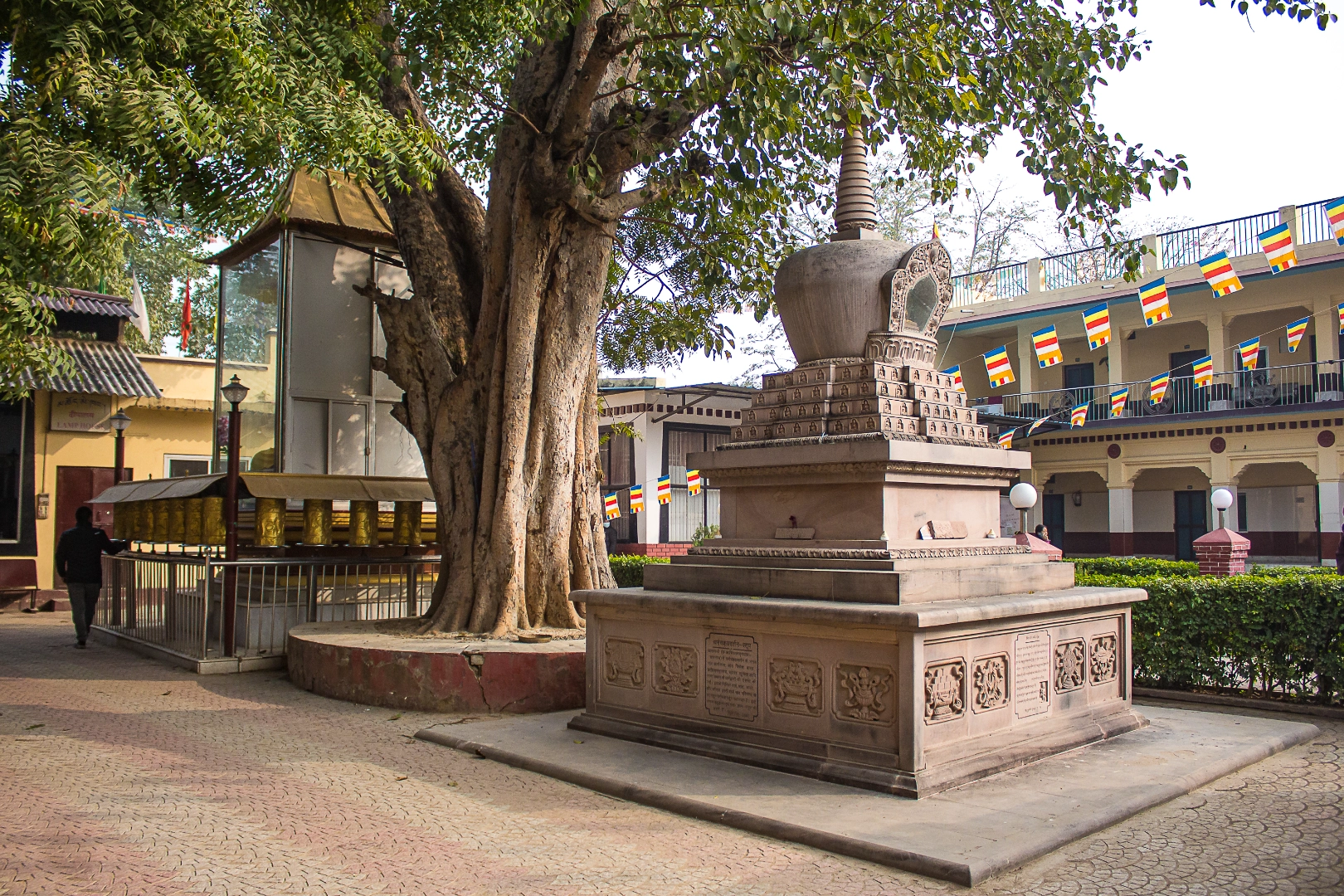
Tibetan Temple & Monastery
A Tibetan monastery at Sarnath with vibrant murals of Buddhist cosmology, prayer wheels, and daily monk ceremonies at the site of Buddha's first sermon.
Best Time to Visit Sarnath
Plan your trip around the right season
Why visit
Same comfortable weather as Varanasi - easy walking between the Dhamek Stupa, Deer Park, and the archaeological museum. Good to combine with a Varanasi trip.
Keep in mind
Peak tourist season shared with Varanasi means hotels nearby are pricier and transport busier.
Why visit
Visit the ruins and museum before 10am and you can cover everything comfortably.
Keep in mind
Open-air site gets very hot by mid-morning in summer.
Why visit
Lawns around the stupa turn bright green after rains.
Keep in mind
Humidity and mosquitoes near the fields. Carry repellent.
How to Reach Sarnath
Intercity connectivity and travel options
Fly or rail to Varanasi (Lal Bahadur Shastri Airport / Varanasi Jn) then 30–45 min road to Sarnath.
Getting Around Sarnath
Local transport and practical tips
Local transport
Autos, app cabs, and local buses from Varanasi Cantonment/Lanka.
Best Areas to Stay in Sarnath
Pick the right neighbourhood for your trip
Dhamekh Stupa / Archaeological Park edge
Slow heritage morningsQuiet lanes before tour vans stream in from Varanasi.
Sarnath village market core
Budget guesthousesMonastery cafes and souvenir lanes within walking circuits.
Mulagandhakuti / Tibetan monastery belt
Buddhist pilgrimage staysShaded compounds and evening chanting walks away from main tourist buses.