Explore Puri
Temples in Puri
Religious sites and temples to visit in Puri
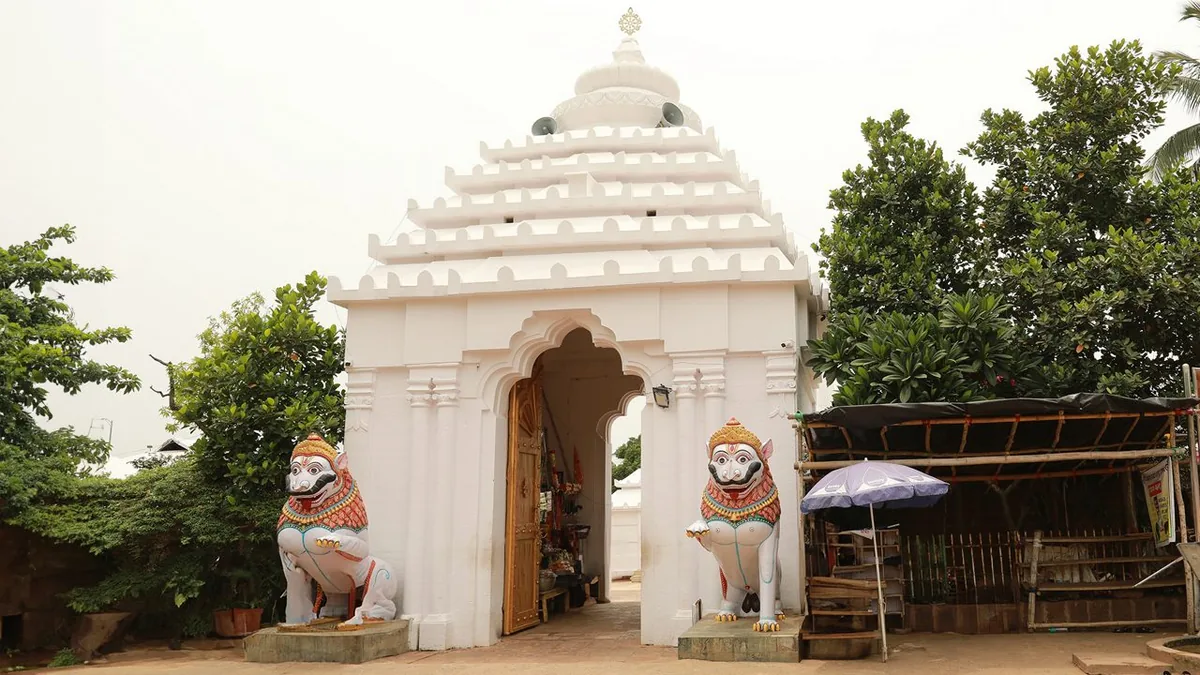
Alarnath Temple
Located in the quiet town of Brahmagiri about 25 km from Puri, Alarnath Temple is a Vishnu shrine believed to predate the Jagannath Temple by two centuries. It holds special significance during the Anavasara period when the Jagannath Temple deities remain unseen for 15 days; devotees throng here as Lord Jagannath is believed to manifest as Lord Alarnath. The temple is associated with Chaitanya Mahaprabhu, who is said to have visited and left an impression of his body on a stone slab inside.
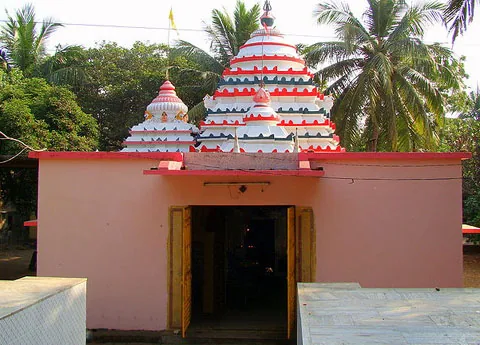
Beleswar Mahadev Temple
Beleswar Mahadev Temple is an ancient Shiva shrine located about 14 km from Puri on the Puri-Konark marine drive road, near the confluence of the Prachi, Devi, and Kadua rivers. According to legend, Lord Rama installed the Shivalinga here after offering bel leaves before his journey to Lanka, giving the site its name. Situated beside a scenic stretch of the Bay of Bengal, it is one of the notable Shaiva shrines of Puri district and draws large crowds during Mahashivaratri.
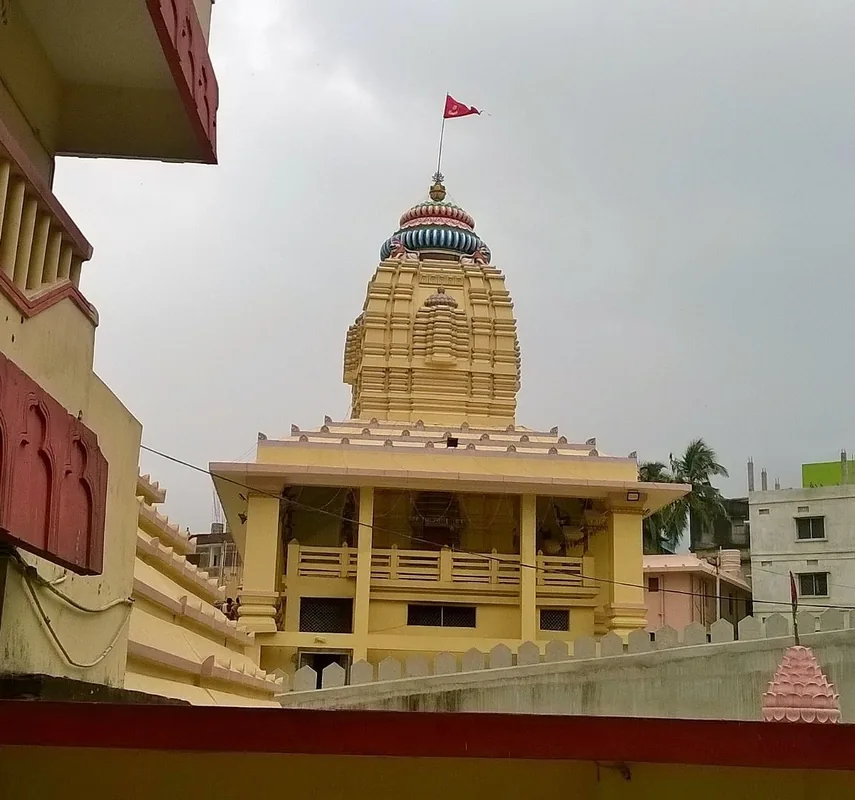
Bimala Temple
Nestled in the southwest corner of the Jagannath Temple complex, Bimala Temple is one of the 51 Shakti Peethas of India and is considered the most significant among them. Dedicated to Goddess Bimala, a fierce form of Durga, the temple is believed to mark the spot where Goddess Sati feet fell. It predates the Jagannath Temple itself and plays a vital ritual role: the Mahaprasad offered to Lord Jagannath becomes truly sacred only after it is first offered to Goddess Bimala.
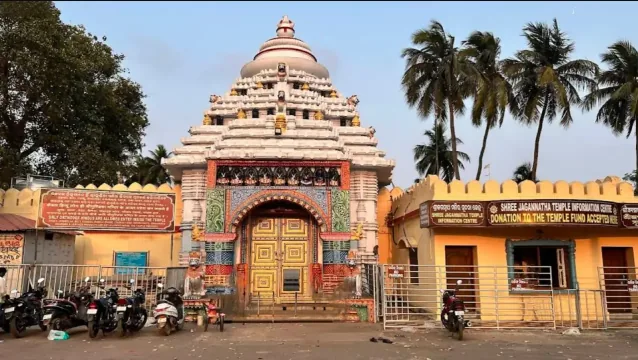
Gundicha Temple
Known as the Garden House of Lord Jagannath, Gundicha Temple is the sacred destination where the deities of Jagannath, Balabhadra, and Subhadra reside for seven days during the annual Rath Yatra. Built in classic Kalinga style with light grey sandstone, it stands at the northern end of Grand Road about 3 km from Srimandir. Named after Queen Gundicha, consort of King Indradyumna, it is the second most sacred site in Puri after the Jagannath Temple.
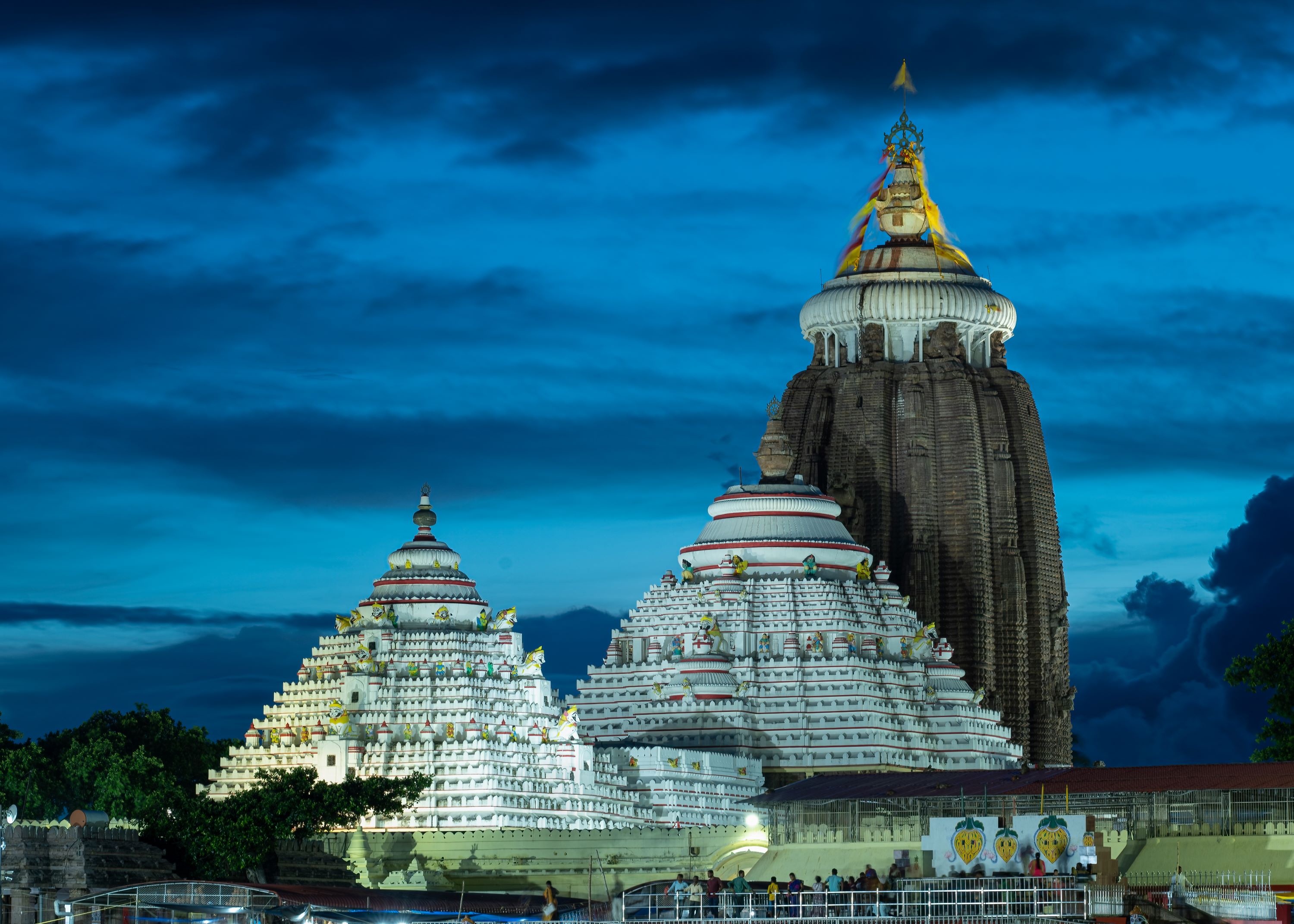
Jagannath Temple
One of the four Char Dham sites, this massive 12th-century Orissan temple dedicated to Lord Jagannath in Puri is non-Hindus restricted and famous for the world's largest chariot festival, Rath Yatra.
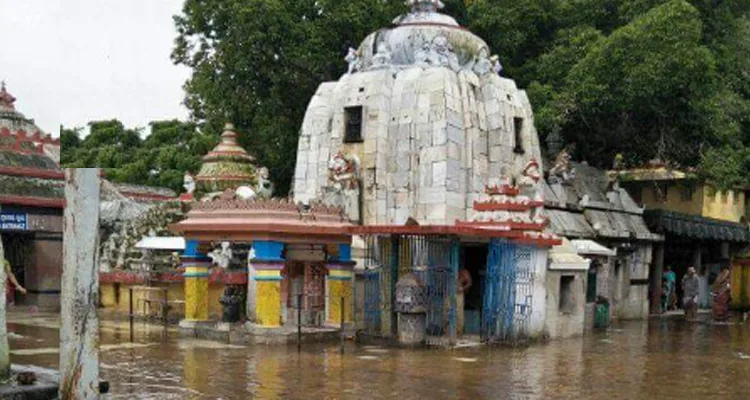
Lokanatha Temple
One of the most revered Shaiva shrines in Odisha, Lokanatha Temple is dedicated to Lord Shiva and stands about 2.5 km west of Jagannath Temple. Its most remarkable feature is a Shivalinga that remains submerged in water throughout the year and becomes visible only once, on the eve of Shivaratri. According to legend, Lord Rama himself installed this lingam while journeying to Lanka. Devotees believe Lord Lokanatha serves as the eternal guardian of Puri Dham.
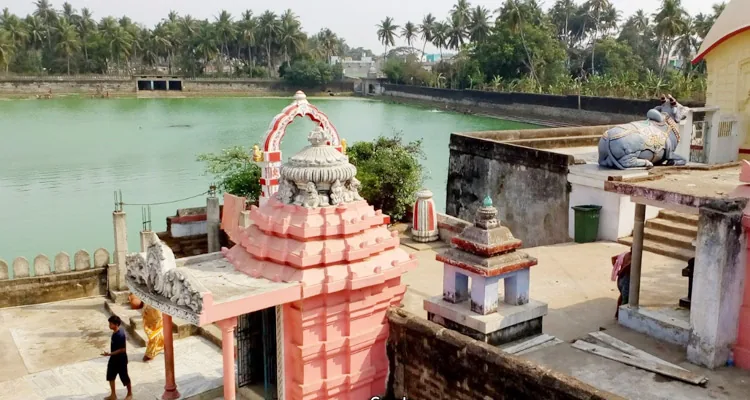
Markandeswara Temple
An important Shaiva pilgrimage site in Puri, Markandeswara Temple is dedicated to Lord Shiva and dates to the 12th century Ganga dynasty. It is one of the Pancha Tirthas of Puri and counted among the 52 sacred Shiva shrines in India. Adjacent to the sacred Markandeya Tank, believed to be the traditional starting point of the Puri pilgrimage, the temple is connected with key Jagannath rituals including Chandan Yatra and Sital Sasthi. The entrance features a striking ten-armed Nataraja figure.
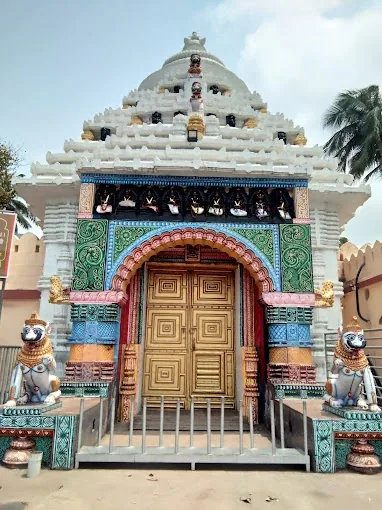
Mausi Ma Temple
Located midway along the Grand Road (Bada Danda) of Puri, Mausi Ma Temple is dedicated to Goddess Ardhashani, the maternal aunt of Lord Jagannath. Built during the Keshari dynasty era in Kalinga architectural style, the temple plays a central role during Rath Yatra when the chariots of the three deities pause here to receive Poda Pitha, a sacred baked rice cake. Legend credits Goddess Ardhashani with saving Puri from floods by drinking half the sea water.
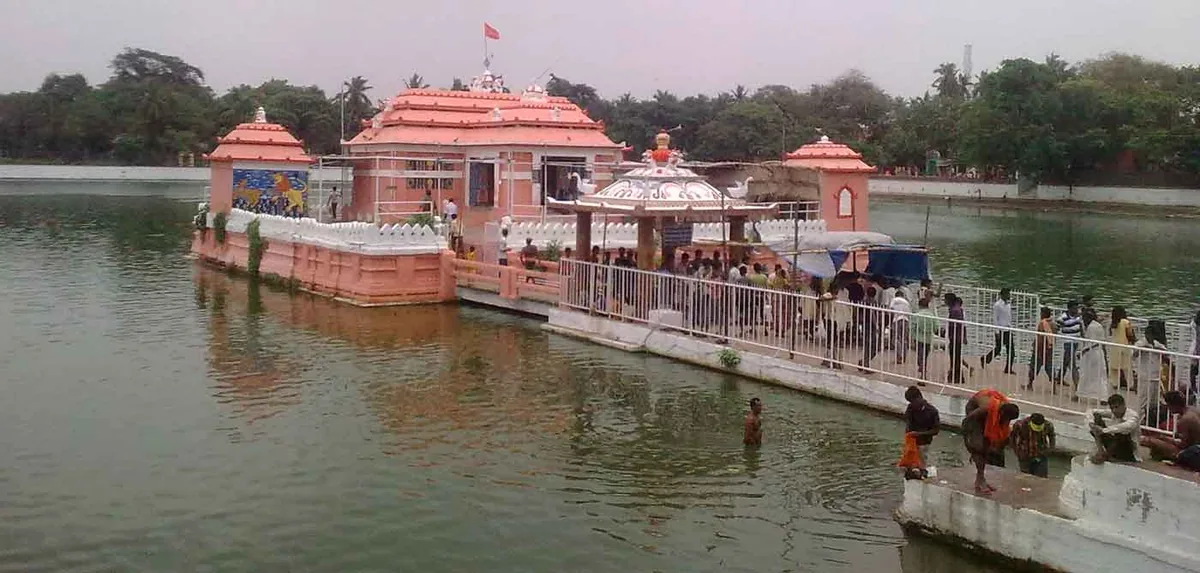
Narendra Tank
Narendra Tank is one of the largest sacred water bodies in Odisha, built in the 15th century by Narendra Dev, brother of the Gajapati king. Located just 1 km from the Jagannath Temple, the tank spans over 8 acres and is anchored by 16 bathing ghats. At its center sits an island housing the Chandana Mandapa temple, linked to the shore by a bridge. The tank is the ceremonial venue for the 21-day Chandan Yatra festival, when the deities of Jagannath are brought here for a ritual boat procession.
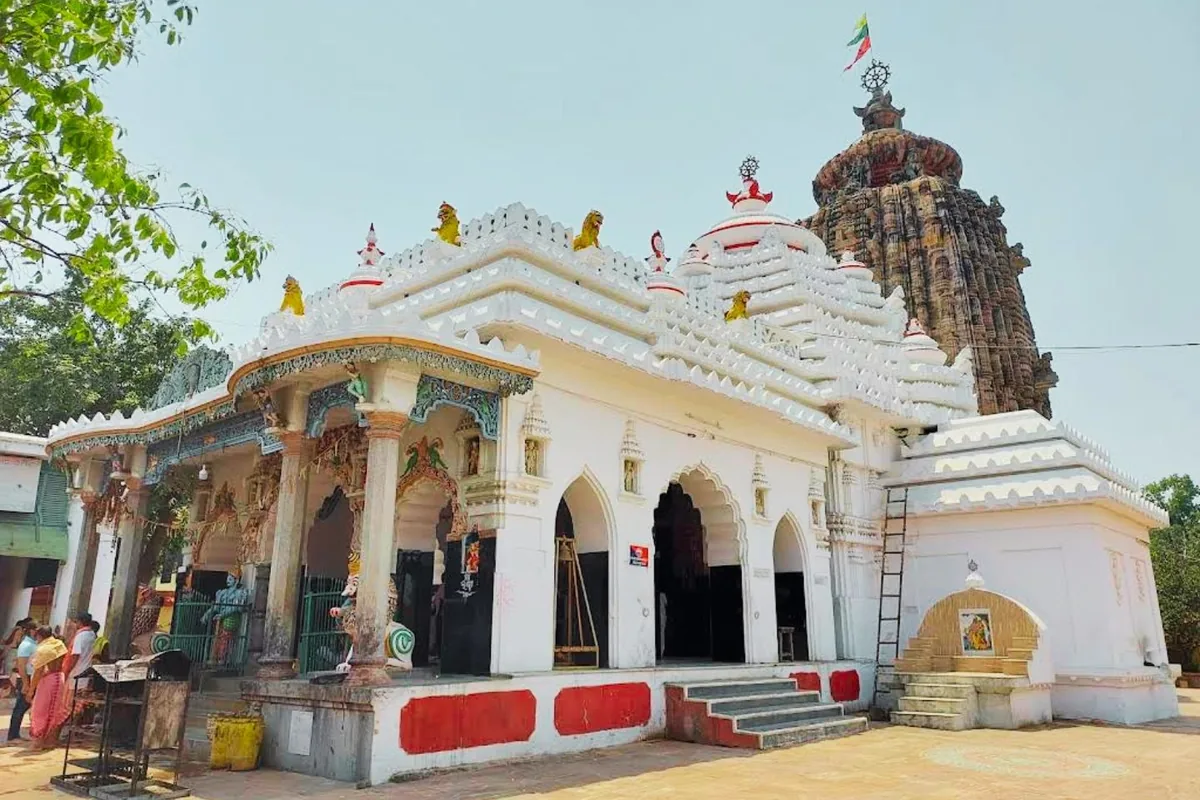
Sakshigopal Temple
Situated on the Puri-Bhubaneswar highway about 20 km from Puri, Sakshigopal Temple is an 11th-century shrine dedicated to Lord Krishna in his form as Gopal. The name translates to Witnessing Gopal, rooted in a legend where Lord Krishna himself bore witness to a promise made between two Brahmin pilgrims in Vrindavan. Built in classic Kalinga architectural style, the temple is particularly popular with newlywed couples seeking blessings and is notable for accepting wheat-based food offerings rather than rice.
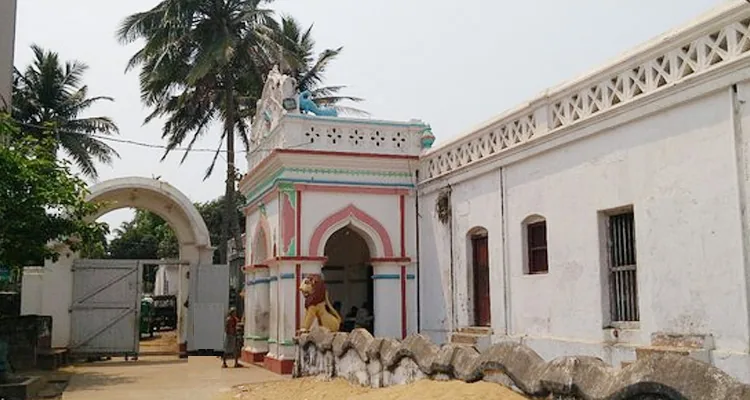
Sonar Gouranga Temple
Sonar Gouranga Mandir is an important pilgrimage centre on Chakratirtha Road in Puri, about 3 km north of the Jagannath Temple. Dedicated to Lord Gouranga, the golden-hued form of Chaitanya Mahaprabhu and an incarnation of Lord Krishna, the temple houses shrines of Lord Ram, Lord Jagannath, Balabhadra, Subhadra, and Hanuman. The name Sonar Gouranga means Golden Gouranga in Bengali. Despite its modest structure, the temple offers a serene and unhurried atmosphere for devotees.
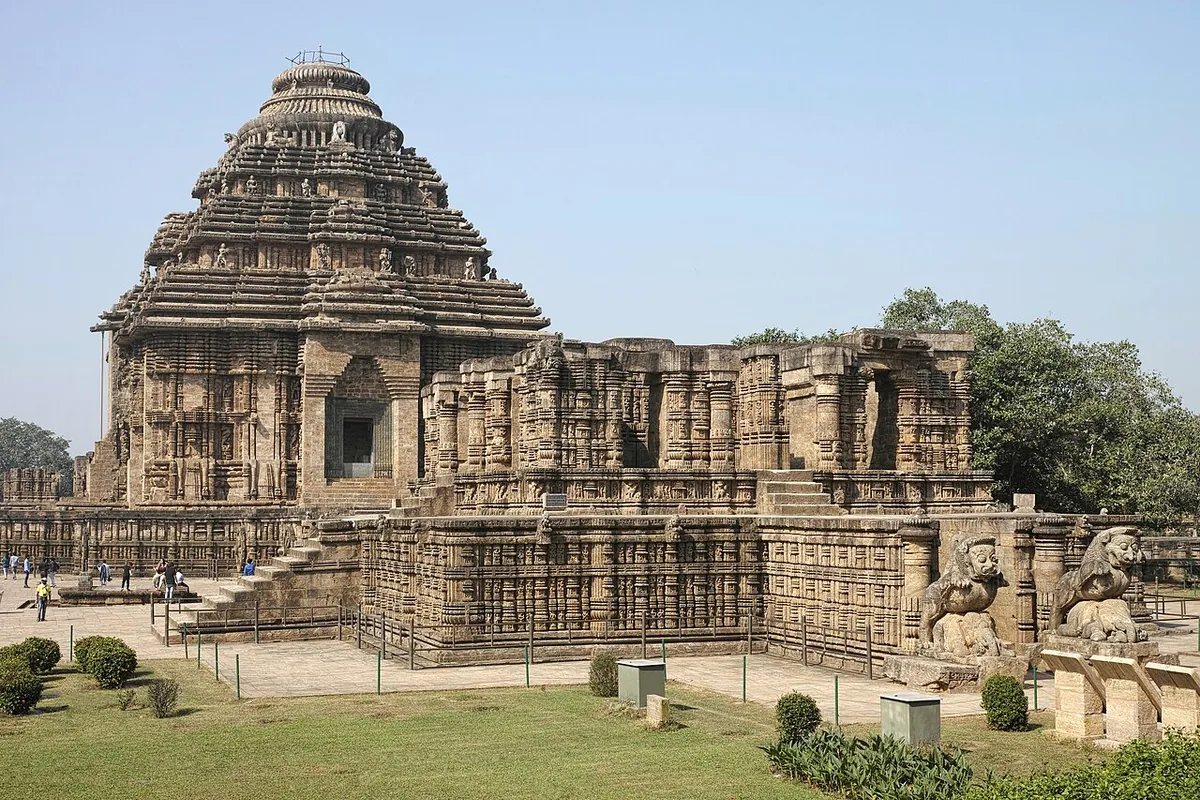
Sun Temple Konark
The Konark Sun Temple, a UNESCO World Heritage Site built in 1250 CE by Eastern Ganga king Narasimhadeva I, is one of the greatest achievements of medieval Indian architecture. Designed as a colossal stone chariot of the Sun God Surya, the temple features 24 intricately carved wheels and seven horses representing the days of the week. The pinnacle of Kalinga architectural tradition, its walls are adorned with sculptures of extraordinary detail and variety. Nobel Laureate Rabindranath Tagore described it as a place where the language of stone surpasses the language of man.
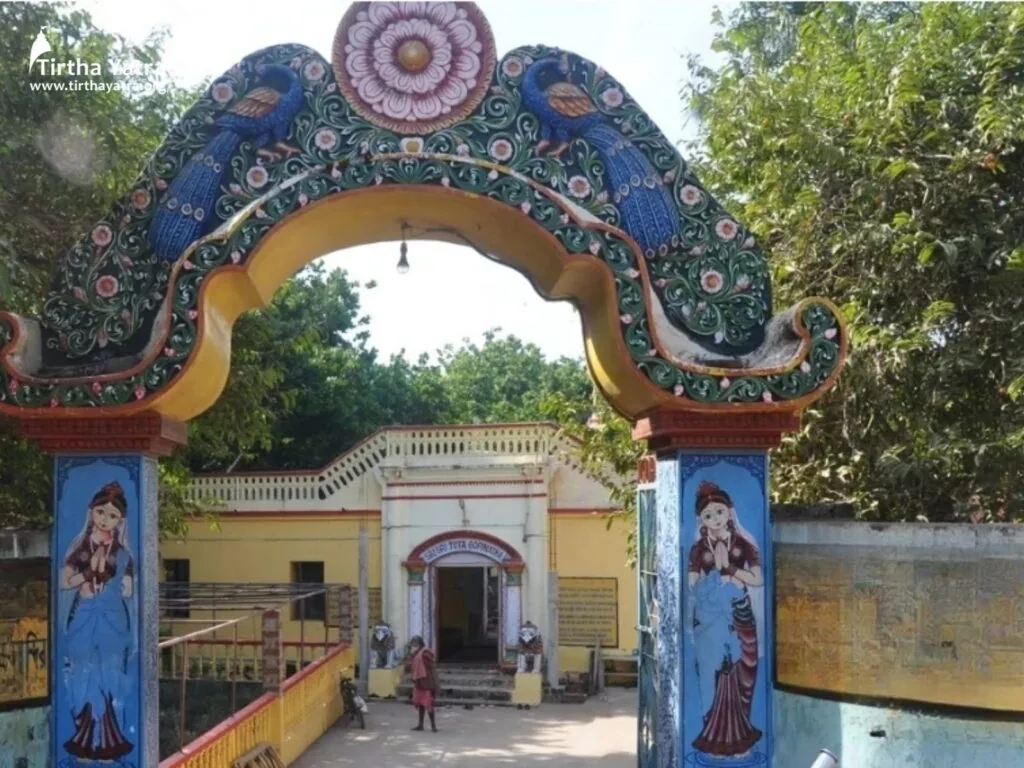
Tota Gopinatha Temple
Tota Gopinatha Temple in Puri is one of the most spiritually charged sites in Gaudiya Vaishnavism. Located in Gaudabad Sahi, the temple houses the world only seated idol of Lord Krishna, a form the deity is said to have assumed to ease his aging devotee Gadadhara Pandita in his service. According to tradition, Chaitanya Mahaprabhu merged into this very idol at the end of his earthly life. A faint crack near the idol right knee is pointed to as the mark of that moment.